By: Daniel Triot, Senior Director, FMI & GMA Trading Partner Alliance
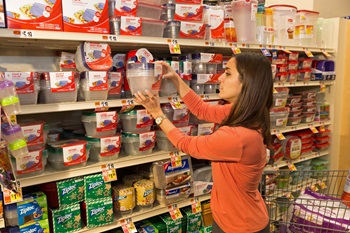
If you don’t have a product in store or if you don’t know if you have it, you can’t sell it!
Despite many years of good faith efforts by manufacturers and retailers, the average out-of-stock rate remains a stubborn 8 percent, often exceeding 10 percent for promoted items. The potential revenue loss combined with the harm to shopper satisfaction and loyalty is a big challenge shared by all in the industry.
On-shelf availability has been a key focus for the FMI/GMA Trading Partner Alliance (TPA). A white paper developed by the group identified gaps in metrics/data, process/practice, organization and technology that results in several recommended actions which are being validated via retailer-manufacturer learning pilots.
Acceptance and adoption of a common OSA definition is an initial but critical step in the journey to bring on-shelf availability to a covetable 98 percent. TPA is working with GS1 US and both fully support these efforts to help industry move, at a minimum, to a common definition of “Zero on Hand,” which is the number of instances when an authorized item's perpetual inventory falls to zero or below for that item regardless of where it is located in the store.
 To achieve improved on-shelf availability, trading partners need to focus on implementing full supply chain visibility. What does this mean? If you can quickly determine what phase your product is in its lifecycle (last known location, on route to delivery destination etc.), you can improve processes to ensure products are available where customers want them.
Learn more about what best practices drive successful implementations for supply chain visibility during the “Does On-Shelf Availability Matter for Bottom Line Results” session at GS1 Connect 2016 in Washington D.C. on June 3 at 11:00 am. I’ll be joined by representatives from GS1 US, Wegmans and Mondelez to discuss this topic in more depth.


 Industry Topics address your specific area of expertise with resources, reports, events and more.
 Our Research covers consumer behavior and retail operation benchmarks so you can make informed business decisions.
 Events and Education including online and in-person help you advance your food retail career.
 Food Safety training, resources and guidance that help you create a company food safety culture.
 Government Affairs work — federal and state — on the latest food industry policy, regulatory and legislative issues.
 Get Involved. From industry awards to newsletters and committees, these resources help you take advantage of your membership.
 Best practices, guidance documents, infographics, signage and more for the food industry on the COVID-19 pandemic.
