Supply Chain
Our Voice of The Food Industry blog offers commentary from FMI subject matter experts on timely and important topics to the food industry.
FACTS & FIGURES

-

The Boardroom’s Perspective of The Future of Retail
For the fourth year, FMI and Oliver Wyman have teamed up to provide thought leadership on the most pressing issues facing the food retail industry. The annual edition of Boardroom takes readers directly into the C-Suite of food retail companies and ... -
The Transportation Capacity Challenge of 2018: Structural or Cyclical?
There is one disruptor, however, that might not seem so obvious. A severe capacity shortage in the trucking industry is affecting the flow of food to retail businesses and having a negative impact on the consumer experience. There simply aren’t ... -

FMI’s 2018 Financial Diversity
Providing the retail food industry with the myriad products and services that FMI offers requires resources—both human and financial capital. To avoid being a one-pronged fork, any well-run business endeavors to diversify its revenue sources and FMI ... -
FMI’s Strategic X’s and O’s in 2018
What is true for the industry is reflected in the life of its trade association. 2018 has been a year of the need for FMI to pay attention to where we plot our X’s while carefully watching out for those sneaky O’... -

Accomplish Transparency In Food Safety
To protect consumers, retailers are now expecting more from their supplier’s food safety and quality processes. We believe one way to accomplish this is to be transparent about your food safety and quality programs by implementing a rigorous food ... -
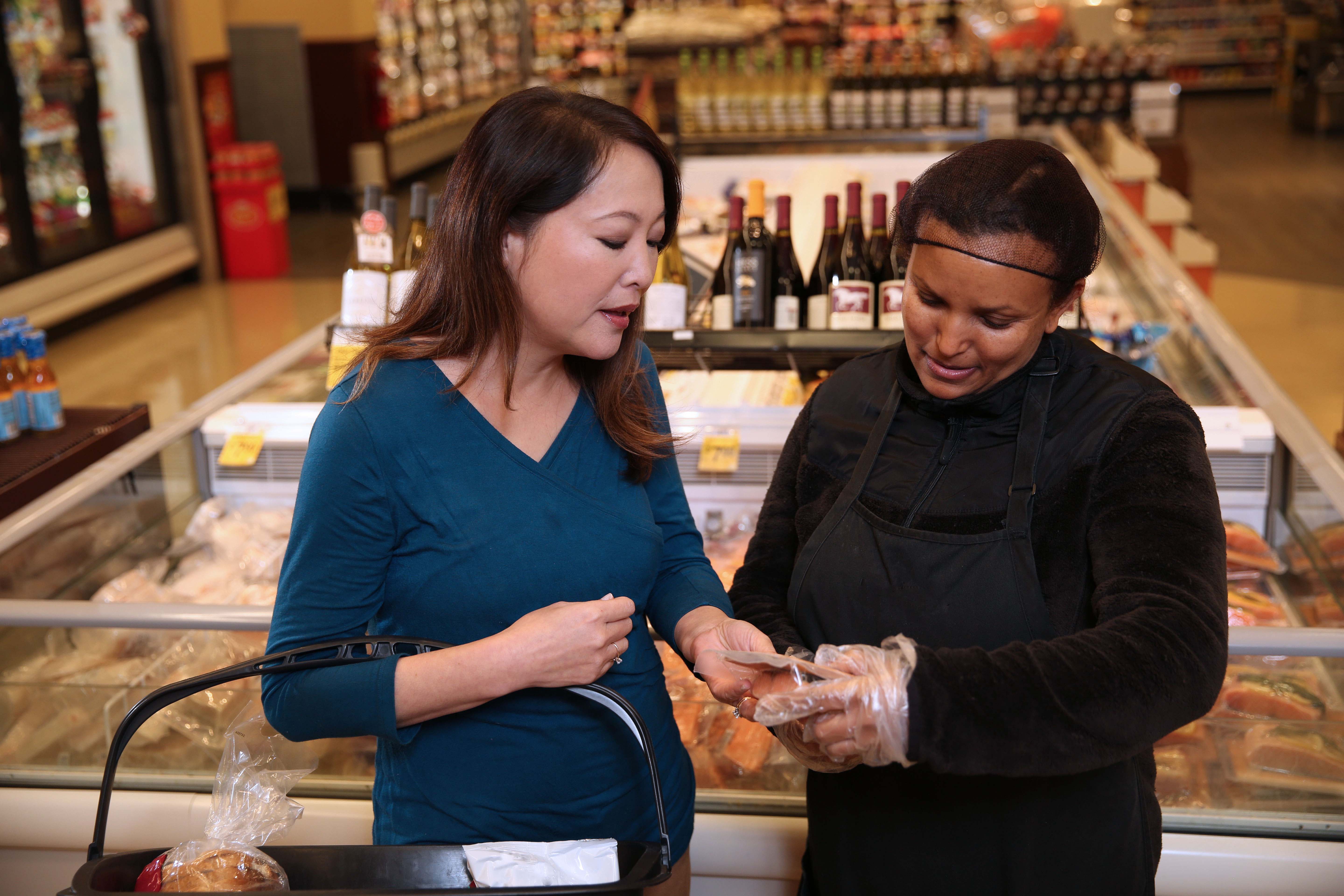
Retailers Stay Within the Circle of Trust with Food Safety
Year after year, FMI’s U.S. Grocery Shopper Trends Report shows consumers consistently trust their grocery store when it comes to food safety. This year, 93 percent of shoppers trust their grocery store to ensure the food they purchase is safe. No ... -
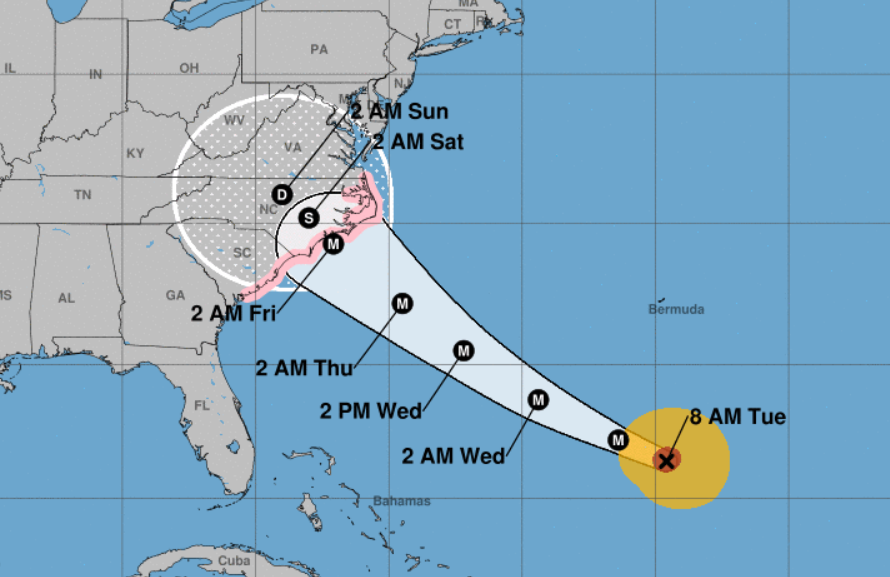
Hurricane Preparedness and Response Resources
Hurricane and storm season is upon us and the first potential major storm of the years, Florence, is threatening the Eastern coast of the United States. To help our members prepare their stores, associates, supply chains and communities we’ve put ... -

Meeting Food Safety Standards: Not Impossible for Emerging Companies
As an emerging brand, you’re almost ready to move your product to the next stage of assembly. You worked hard to guarantee its greatness and ensure the packaging catches the consumer’s eye. Production is set to ramp up now that you landed the ... -
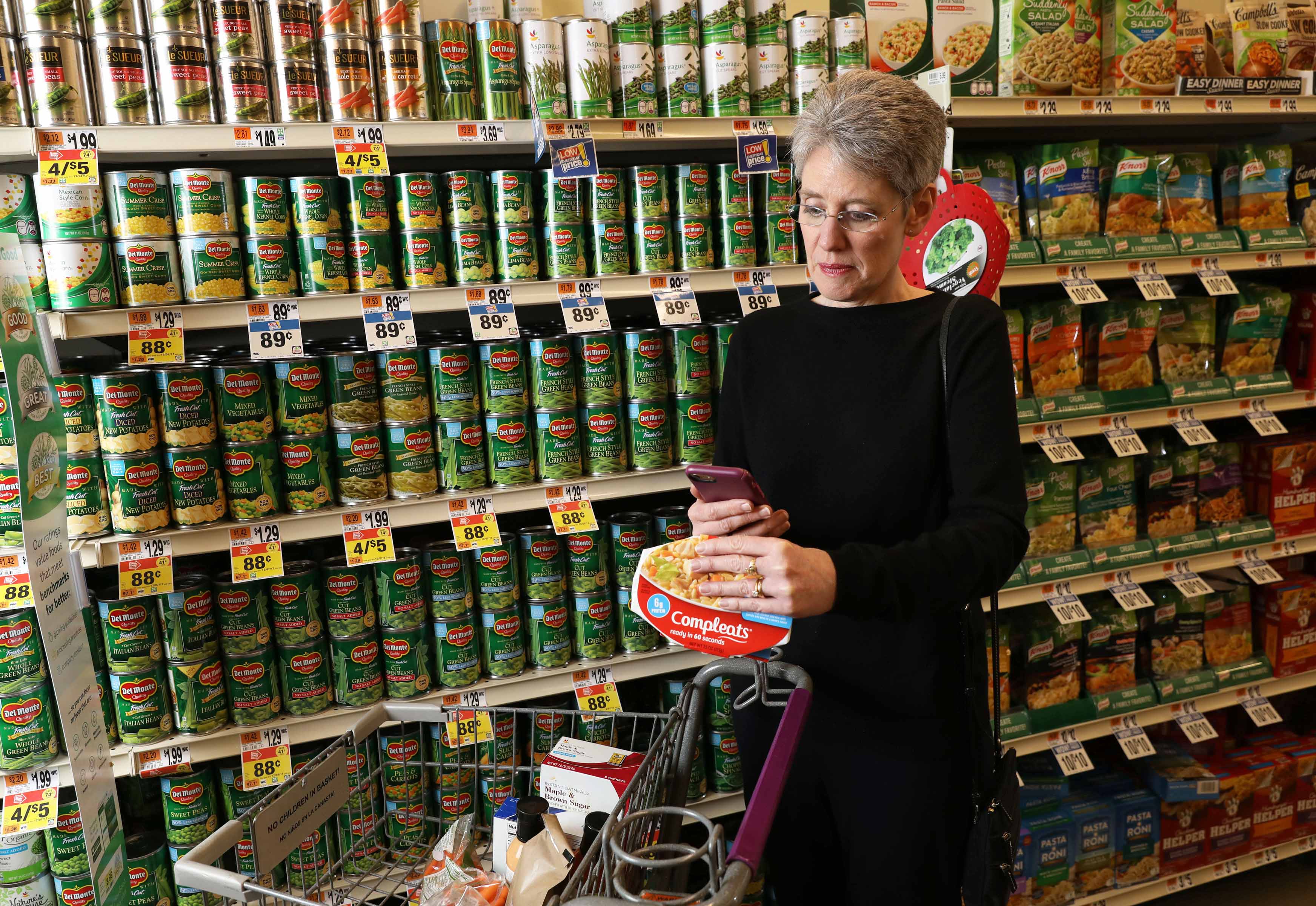
Five Questions Shoppers Ask About The Food They Buy
Technology and digital services can offer a viable solution to the information-hungry customer by providing access to the targeted information they want in the way they prefer to consume it. It’s also a way for grocers to provide transparent ... -
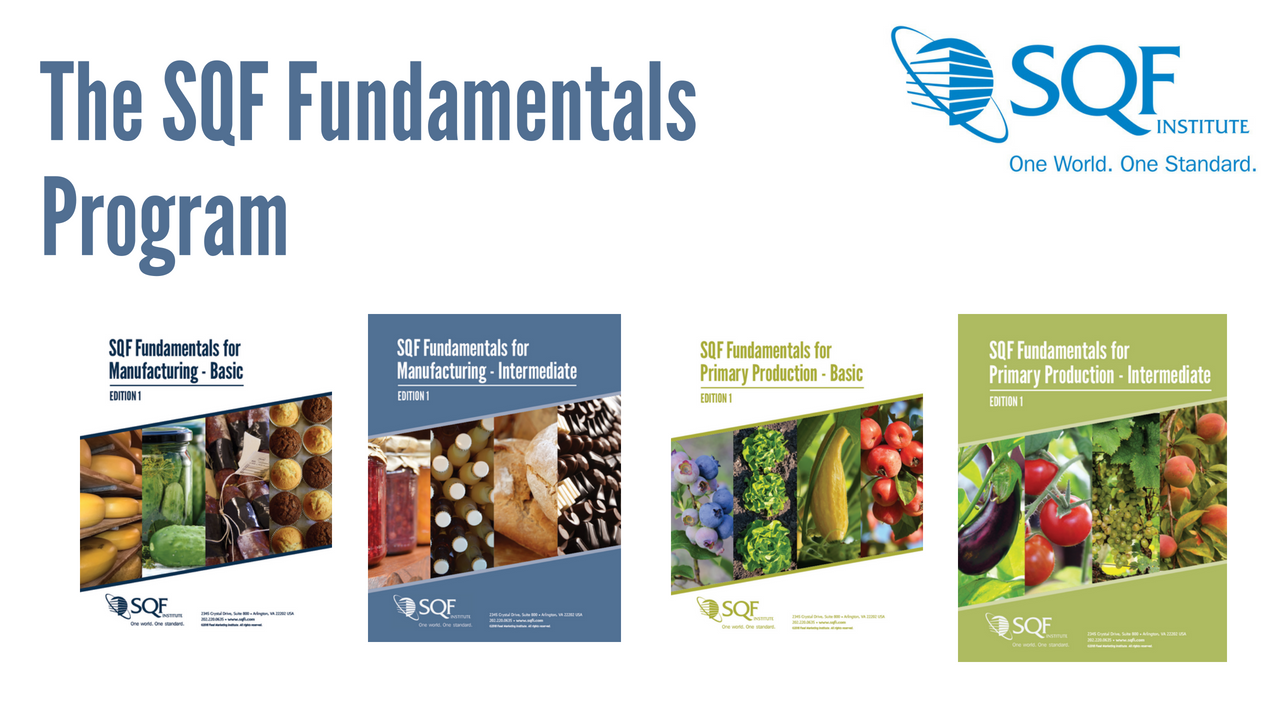
Fundamentals Programs for Food Manufacturing and Primary Producers
SQFI released their Fundamentals Program for Food Manufacturing and the Fundamentals Program for Primary Producers. Each program has both basic and intermediate levels, and provides a step-by-step approach to improve food safety management.... -

Oh, The Places Our Products Will Go
I’m feeling like the proud parent of a grad (again) because FMI recently launched a subscription-based online community for emerging food and beverage brands that will offer education, mentoring, nurturing and access to investors. It’s called FMI ... -
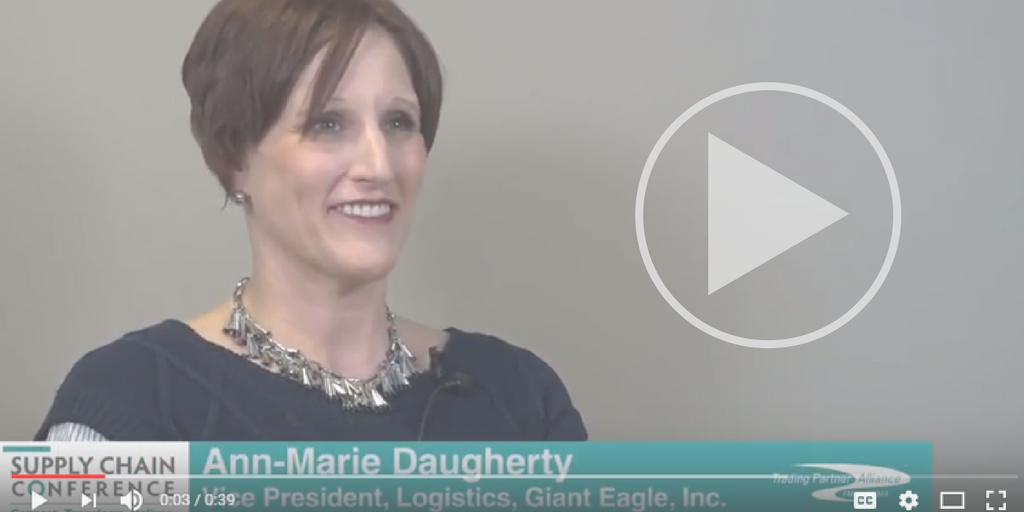
Finding Drivers and Higher Costs Are Issues Keeping Supply Chain Leaders up at Night
Those who lead in the supply chain will perfectly understand that transportation is indispensable to most ... -

Enhancing the Brand Experience For Ecommerce
Center Store brands are pulling out all the stops to optimize their businesses for ecommerce. They are moving ahead quickly with plans and activities. Here’s how they are doing ... -
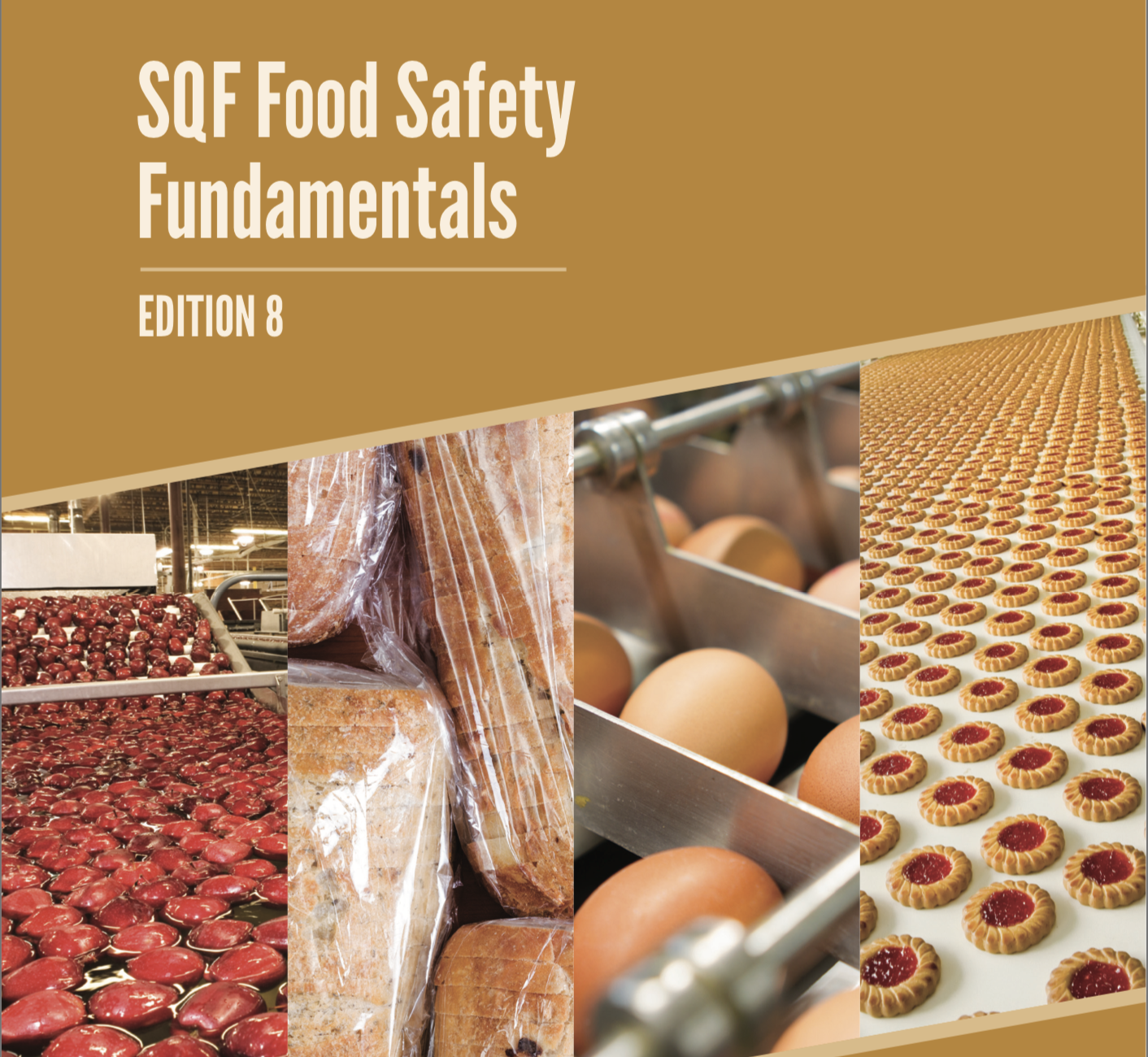
Helping Small to Medium Suppliers with their Food Safety Programs
At Safe Quality Food Institute (SQFI) our mission and vision of protecting the food supply chain from farm to fork is again exemplified with the addition of our NEW SQF Food Safety Fundamentals ... -

How Trading Partners Can Leverage Data to Improve the Supply Chain
Trading partners struggle to connect the dots between inefficiencies in the supply chain. As food retail navigates the era of digital disruption, advancements in technology have introduced new ways to capture and analyze data....
© FMI All rights reserved.
251 18th Street S, Suite 1200, Arlington, VA 22202 | phone: 202-452-8444 | fax: 202-429-4519
Website design by Matrix Group International, Inc. ®
