
By: Doug Baker, Vice President, Industry Relations, FMI
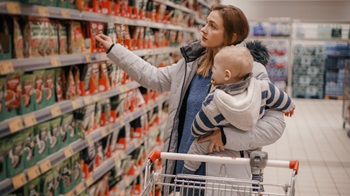 During a recent trip to my local grocery store I overheard a fellow shopper on the phone explaining how if this retailer didn’t have her son’s particular brand of granola bars, he’d have to settle for a substitute. Lamenting to whoever she was conversing with, “I don’t have time to go to three stores,” she said.
That single comment summed up a truth many in the food industry are grappling with: consumers don’t think about your supply chain—but they feel it every time it fails them. It’s not about whether you can move goods efficiently. It’s about whether you can deliver on trust.
We’ve navigated a global pandemic, climate disruptions, labor shortages and now face unpredictable geopolitical shifts impacting everything from cocoa to canned tuna. Through it all, shoppers haven’t lowered their expectations. In fact, they've raised them. They want transparency, sustainability, local sourcing and, most importantly, consistent availability.
The companies leading the way are those rethinking supply chains as more than logistics—they’re treating them as strategic assets for consumer engagement. Think of real-time data sharing between suppliers and retailers to ensure perishables hit the shelf at peak freshness. Think of blockchain-backed traceability giving shoppers confidence in their food’s origin. And think AI tools trained to predict demand so well that shelves never spend more than a few minutes with depleted products.
Forward thinking CPG executives are using consumer feedback from social media and loyalty programs to finetune distribution patterns. When one region suddenly starts craving spicy snacks, they don’t wait for a stockout, they preempt it. That’s the power of a consumer-centric supply chain: it listens, learns and leads. But building that kind of system isn’t just about tech or trendspotting. It requires collaboration with all parties aligned to a single truth: the consumer’s experience is the ultimate KPI. As we look ahead, the stakes are only getting higher. The future belongs to those who can pivot fast, personalize at scale and put the shopper at the center of every pallet and process.
Want to dive deeper into how the food industry is transforming its supply chain strategy? Join us at FMI’s upcoming Supply Chain Forum, where industry leaders will explore innovative solutions, share real-world case studies and shape the future of the food supply together.
 Industry Topics address your specific area of expertise with resources, reports, events and more.
 Our Research covers consumer behavior and retail operation benchmarks so you can make informed business decisions.
 Events and Education including online and in-person help you advance your food retail career.
 Food Safety training, resources and guidance that help you create a company food safety culture.
 Government Affairs work — federal and state — on the latest food industry policy, regulatory and legislative issues.
 Get Involved. From industry awards to newsletters and committees, these resources help you take advantage of your membership.
 Best practices, guidance documents, infographics, signage and more for the food industry on the COVID-19 pandemic.
