
The recent “Meat in Motion” webinar explored the forces driving meat demand today, from economic impacts and affordability to the continued appeal of premium proteins.
By David Haaf, Vice President, Fresh Foods, FMI
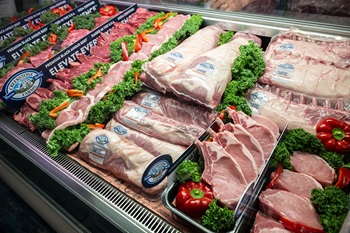 The meat department continues to outperform much of the store, but the forces driving growth are changing. During our recent “Meat in Motion” webinar, industry experts explored how economic pressures, shifting shopping behaviors and emerging opportunities are reshaping the meat case into 2027.
Gas Prices Reset the Year
Anne-Marie Roerink, principal at 210 Analytics, shared that meat’s strong first-quarter performance, in line with 2024 and 2025, changed once gas prices climbed past $4 a gallon in mid-March. Circana SVP Chris DuBois estimated the added fuel cost at roughly $40 a week per household is compounding with rising utility bills, property taxes and other fixed costs. Retail trips are down among consumers most exposed to that squeeze, which means winning the trip has become even more important, particularly through value-focused merchandising and meal solutions.
Produce Faces Headwinds Amid Cyclospora Outbreak
Salads and leafy greens have run about 25% or higher below volume for five to six weeks amid a cyclospora outbreak, according to Roerink. Anthony Monaco of C&S Wholesale Grocers said this disruption is visibly changing meal planning and described a shift toward ground proteins as families work around lettuce-dependent meals like tacos.
Grinds Are the Clearest Growth Story
Ground meat is one of the session’s clearest bright spots. DuBois pegged the grind category, spanning beef, chicken, pork and turkey, at approximately $21 billion in annual sales. He said younger shoppers are driving demand through new blends and flavor inclusions, enough that he expects retailers to justify dedicated grind sets.
Premium Is Not Retreating
Despite the affordability pressure, premium and claims-based meat are growing sharply. Roerink cited organic beef sales rose 27% year over year and a steep growth in grass-fed products. The trend is concentrated among higher-income, Gen Z and millennial households, reflecting a “K-shaped economy” spending pattern where value and premium both gain while the middle gets squeezed.
Protein as a Macro Tailwind, With a Portion-Size Catch
Portion sizes are trending smaller too, a shift Monaco linked to aging one- and two-person households and the rising use of GLP-1 medications among consumers, alongside continued demand for value-added, ready-to-cook cuts.
Closing Takeaway
Monaco’s closing line captured the panel’s overall message: “Our industry will not win tomorrow by repeating today.” Roerink tied that back to the generational shift already discussed, with Gen Z and millennial buying power and AI-influenced meal planning that is reshaping which meals meat shows up in.
These trends will continue to shape meat retailing well into 2027. Retailers chasing affordability alone risk losing the premium buyer, and retailers chasing premium alone risk losing the value-conscious majority. The opportunity into 2027 is building for both.
Industry leaders will explore these topics and more when the Annual Meat Conference returns March 1-3, 2027. Conference registration opens the week of Oct. 13 at meatconference.com.
Listen to the full 30-minute conversation for more insights.
 Industry Topics address your specific area of expertise with resources, reports, events and more.
 Our Research covers consumer behavior and retail operation benchmarks so you can make informed business decisions.
 Events and Education including online and in-person help you advance your food retail career.
 Food Safety training, resources and guidance that help you create a company food safety culture.
 Government Affairs work — federal and state — on the latest food industry policy, regulatory and legislative issues.
 Get Involved. From industry awards to newsletters and committees, these resources help you take advantage of your membership.
 Best practices, guidance documents, infographics, signage and more for the food industry on the COVID-19 pandemic.
