
From Gen Z to Gen X, three FMI staffers reveal how generational shopping trends show up in their own kitchens.
By: Krystal Register, MS, RDN, LDN, Vice President, Health & Well-being; Bianca Ruffin, Senior Director, Marketing and Madeline Torrisi, Manager, Marketing, FMI
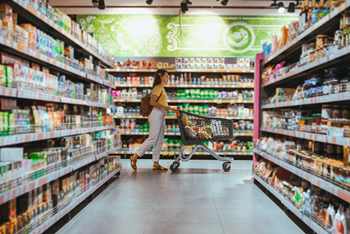 Walk into any grocery store today, and you'll see different shopping experiences happening under one roof. From Gen Z to Boomers (and everything in between), each generation shops differently — how they make lists, buy food, cook it and think about the role food plays in their lives. FMI's 2026 U.S. Grocery Shopper Trends report explored generational shopping habits and preferences. To bring the report to life, we asked three staff members, each from a different generation, to share how it shows up in their own carts and kitchens.
Gen Zer Madeline: TikTok Told Me to Try It!
Gen Zers get a lot of criticism for being chronically online, but that may actually be one of our strengths. The 2026 U.S. Grocery Shopper Trends report finds that younger shoppers increasingly use social media for recipe inspiration, product discovery and meal planning, extending grocery shopping far beyond the four walls of the store. Nearly half of Gen Z shoppers (48%) say they love or like grocery shopping, and nine out of 10 use at least one digital tool to plan their trips, whether that's a retailer app, search engine, AI tool or social media platform.
As a Gen Zer myself, I can confirm before I ever step into a grocery store, I've already seen a recipe on TikTok, watched someone review a new product or stumbled across a grocery haul that suddenly convinces me I need a specific snack. Communities like “FoodTok” have become today's recipe box, while tools like ChatGPT are becoming part of the shopping journey through recipe ideas, meal planning, healthy eating advice and product discovery.
That constant stream of inspiration may also help explain why Gen Z shoppers visit an average of 6.7 retailers each month, more than any other generation. We're not necessarily loyal to one store because we're discovering products, comparing prices, seeking experiences and following recommendations from multiple sources.
The result is a generation that expects grocery shopping to be connected, personalized and a little more inspiring than a simple trip down the aisles. For Gen Z, grocery shopping often starts with a swipe, a search or a recommendation long before a cart is ever filled.
Xennial Bianca: Cooking for One in the Overlooked Middle
More than 38 million U.S. households (or 29%) consist of one person (up from 20% in 1975). I happen to be in this category. As a single Xennial (the Millennial microgeneration born 1977-1983), I often find myself in a “What do I eat?” quagmire. Cooking for one can be weirdly difficult. Outside of single-serve kits and frozen meals, portion sizes generally don’t accommodate single households for meats, produce and packaged goods.
As part of a demographic that makes up 29% of the U.S., I suspect I’m not alone in this dilemma. The food retail industry has always adapted to the needs of the consumer, and most of us still value the in-store experience. I'm also part of the majority who want a clean, well-organized store (73%) and who still like to examine produce up close (69%).
I absolutely love going to the grocery store, but I don’t love the inevitable waste that comes along with single-household cooking. Thirty-seven percent of shoppers already use frozen foods specifically to cut down on food waste ( The Power of Frozen 2026), which shows I’m definitely not the only one facing this problem.
As with most things, opportunities to serve this growing demographic are multiple, such as:
- Expanding single/dual-portion SKUs.
- Launching or extending a private label “for one” line.
- Using app/online discovery for single-serving recipes.
- Merchandising frozen and prepared foods as portion-control, waste-reducing solutions for solo households.
None of this requires reinventing the wheel — just remembering that not every cart is filling a fridge for four. Sometimes it's just one Xennial, standing in the cereal aisle, wondering why the smallest box is still too big.
Generation X Krystal: Not Too Trendy, Just Stuck in the 80s?
Notoriously, I am in the generation with the least to report in terms of trends because we don’t really stand out one way or another. When you review the recent 2026 U.S. Grocery Shopper Trends findings, you will notice that Gen X doesn’t garner attention — at all. We are hanging on to the simple ways we grew up during the 70s and 80s. Perhaps we are still surviving (and having some fun!), drinking from the garden house, roaming the neighborhood until the streetlights come on, being home for family dinner, making the most of what we have, reminiscing and smiling about it.
Catch us food shopping, actually pushing a cart in the grocery store aisles, heads bobbing, maybe even singing along to the 80s music playing overhead. That’s us. We’re buying pantry staples like canned beans, brown rice, diced tomatoes and broth to add to our trusty slow cookers. We seem to be less likely to try new things. Maybe we haven’t yet used an air fryer, Uber Eats or viral TikTok recipes, but we can pull together one of grandma’s favorite concoctions on a whim on any given Wednesday.
This is how I shop, prep and cook family meals, not too different from the way my own mom did in the 70s and 80s. Practical, functional and simple — maybe even with a little dancing as memories of the roller rink keep me grooving through the grocery store!
Three generations, three different takes on grocery stores, loads of insights.
 Industry Topics address your specific area of expertise with resources, reports, events and more.
 Our Research covers consumer behavior and retail operation benchmarks so you can make informed business decisions.
 Events and Education including online and in-person help you advance your food retail career.
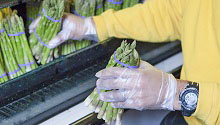 Food Safety training, resources and guidance that help you create a company food safety culture.
 Government Affairs work — federal and state — on the latest food industry policy, regulatory and legislative issues.
 Get Involved. From industry awards to newsletters and committees, these resources help you take advantage of your membership.
 Best practices, guidance documents, infographics, signage and more for the food industry on the COVID-19 pandemic.
