


For in-store shoppers, cleanliness is paramount and can build loyalty.
By: Kelli Windsor, Vice President, Web & Digital Communications, FMI
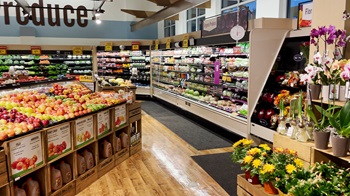 I come from a long line of clean freaks. My grandmother was notorious for keeping a clean house and ironing nearly every piece of laundry, even the towels! My mother, who does have a secret junk drawer, was always making us clean before the cleaning service came. My father taught me how to meticulously vacuum, dust, wash, dry and wax our family car, weekly! Needless to say, cleanliness has always been important to my family, and it often shapes our decision-making, including where we shop. It turns out, we’re not alone in the importance we place on cleanliness.
For grocery shoppers, store cleanliness is paramount. According to our U.S. Grocery Shopper Trends 2026 report, 73% of grocery shoppers want to shop in a clean, neat store. In fact, 70% of grocery shoppers report that a clean, neat store is one of their most important attributes in a primary store.
What Cleanliness Says About Your Store
Your grocery store’s cleanliness speaks volumes to customers. Beyond cleanliness, grocery shoppers prioritize high-quality meats (76%), high-quality fruits and vegetables (76%), and great product selection and variety (71%) as primary store attributes. These attributes are all important, but having the highest-quality products and an expansive variety will mean nothing if shoppers deem your store to be dirty. These other attributes only win out in a clean, neat and welcoming environment.
Accidents Happen, But Don’t Forget to Communicate
Accidents happen. We’ve all been in a store and heard over the loudspeaker, “Clean up on aisle four!” Cleaning up these accidents takes time, and store associates work quickly to address them. The key to keeping a clean, neat grocery store is communication. For example, clear signage or staff directing shoppers away from the spill offers transparency that can go a long way toward building shopper loyalty.
Takeaways
Take a walk around your store and see it through fresh eyes—are there areas that could be cleaner or neater? Develop a communications plan to anticipate an incident, and work with associates to practice and implement it. Maybe even have a trial run with your associates so the next time an incident occurs, you’re building shopper loyalty. A proactive trial run with your associates can help ensure that when an incident occurs, everyone understands their role, enabling a smoother response that reinforces shopper trust and loyalty
 Industry Topics address your specific area of expertise with resources, reports, events and more.
 Our Research covers consumer behavior and retail operation benchmarks so you can make informed business decisions.
 Events and Education including online and in-person help you advance your food retail career.
 Food Safety training, resources and guidance that help you create a company food safety culture.
 Government Affairs work — federal and state — on the latest food industry policy, regulatory and legislative issues.
 Get Involved. From industry awards to newsletters and committees, these resources help you take advantage of your membership.
 Best practices, guidance documents, infographics, signage and more for the food industry on the COVID-19 pandemic.
