
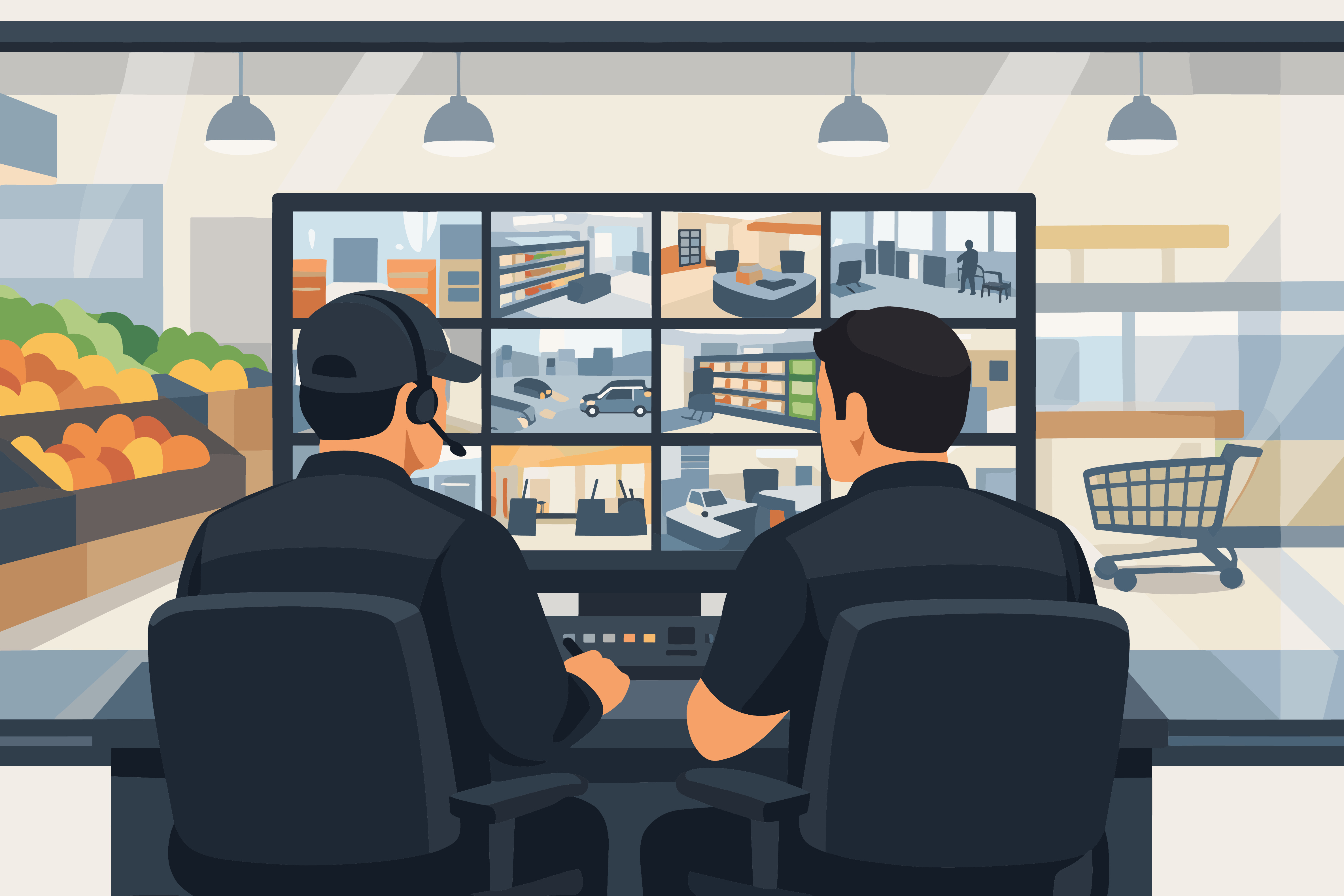
Major sporting events can drive sales and disruption, making preparedness, security and operational planning critical for grocery retailers.
By: Tom Cosgrove, Director, Industry Relations, FMI

Sporting events (both at the stadium and the home watch parties) bring energy, pride and increasingly large influxes of out of town visitors. As fans travel to join the celebration, crowd sizes have the potential to grow beyond expectations, creating both opportunity and risk for food retailers.
While stores may benefit from increased traffic and sales, they must also prepare for operational disruption, safety concerns and potential civil unrest if celebrations escalate or opposing fans collide.
Why Should Food Retailers Should Pay Attention?
Food retailers often sit at the center of community activity. During major celebrations, they become high-traffic destinations for locals and visitors, accessible locations near gathering areas and providers of high-demand items. But with these opportunities comes increased exposure to unfamiliar, out-of-town shoppers, surges in demand and staffing strain, elevated theft or disorderly behavior and spillover effects from nearby crowd activity.
How Should We Prepare?
Retailers can take several practical steps to stay ahead:
- Strengthen Coordination - Define clear decision-making roles and escalation protocols within stores and corporate teams.
- Monitor Situational Awareness - Track crowd expectations, local guidance and social signals to anticipate risk and adjust operations.
- Plan for Surges - Align staffing, inventory and security resources to handle increased demand and potential disruptions.
- Train Store Teams - Ensure employees understand how to respond to crowd-related issues and when to escalate concerns.
- Engage the Community - Coordinate with local law enforcement and neighboring businesses for a unified response.
FMI Resources: Supporting Retail Readiness
FMI provides tools to help retailers prepare for complex events.
- FMI Crisis Management Guide: Civil Unrest: Offers actionable guidance to Anticipate risks and escalation triggers, protect employees and customers, maintain operational continuity, and coordinate with local authorities
- FMI Crisis Management Guide: De-Escalation: Provides frontline employees and managers with practical techniques to defuse tense situations, reduce conflict, and safely manage disruptive behavior before it escalates.
- FMI Crisis Communications Guide: Helps retailers develop clear, timely messaging for employees, customers, and stakeholders—ensuring consistent communication before, during, and after an incident.
These resources are especially valuable when events bring large, unfamiliar crowds into communities.
Final Takeaway
Sporting events can deliver strong business results, but they also introduce uncertainty. Expect the best, but plan for the surge and the unexpected. By leveraging FMI resources and taking a proactive approach, grocery retailers can serve their communities safely while protecting their people, stores, and operation, no matter how the situation unfolds.
 Industry Topics address your specific area of expertise with resources, reports, events and more.
 Our Research covers consumer behavior and retail operation benchmarks so you can make informed business decisions.
 Events and Education including online and in-person help you advance your food retail career.
 Food Safety training, resources and guidance that help you create a company food safety culture.
 Government Affairs work — federal and state — on the latest food industry policy, regulatory and legislative issues.
 Get Involved. From industry awards to newsletters and committees, these resources help you take advantage of your membership.
 Best practices, guidance documents, infographics, signage and more for the food industry on the COVID-19 pandemic.
