
Shrink reduction is becoming a business-wide activity rather than just a loss prevention function, with sustained progress with human and technology-driven strategies.
By: Tom Cosgrove, Director, Industry Relations, FMI
 For years, shrink conversations have centered on rising losses tied to organized retail crime, self-checkout risks and operational challenges. While those concerns remain very real, the latest Asset Protection in Food Retail 2026 report reveals an encouraging story: retailers are making progress.
According to the research, 85% of food retailers report being at least somewhat successful in achieving their shrink reduction goals, with more than one in five describing themselves as very successful. Even more encouraging, those results have remained consistent from the previous year, suggesting retailers are building sustainable strategies rather than achieving short-term gains.
What’s behind this momentum?
One of the big shifts is that food retailers no longer view shrink as solely a loss prevention issue. Today's asset protection leaders take a broader, enterprise-wide approach that includes security, workplace safety, crisis management, business continuity, technology and operational risk. That evolution was evident at this year’s Asset Protection and Grocery Resilience (APGR) conference, where discussions focused less on reacting to incidents and more on identifying vulnerabilities early and addressing them through cross-functional collaboration.
That shift is especially visible in how retailers are managing self-checkout. While shrink at self-checkout remains a concern for the industry, retailers report less concern than they did a year ago. As shoppers continue to embrace the convenience of self-checkout, retailers are finding ways to better balance customer experience with risk management. Improved oversight, enhanced technology and refined store-level procedures appear to be helping retailers reduce losses without sacrificing convenience.
Technology's Role
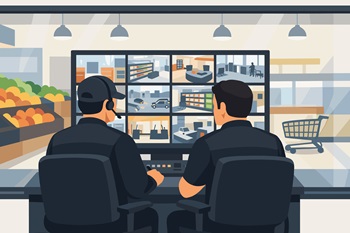
Technology is also playing a larger role in shrink reduction efforts overall. Retailers increasingly rely on data analytics, artificial intelligence and advanced video solutions to identify trends, detect suspicious activity and support investigations. Rather than waiting for losses to appear in reports, organizations are gaining real-time visibility into potential risks and taking proactive steps to prevent them.
Technology alone is not the answer. Retailers are combining advanced technology with strong operational practices and well-trained teams. Video monitoring, security personnel, push-out prevention strategies, theft-prevention technologies and formal shoplifting programs all play important roles in a layered approach to shrink reduction. Each measure contributes a piece of the solution, creating multiple opportunities to deter theft, identify risks and prevent losses before they occur.
This combination of people, processes and technology is creating momentum across industry. While challenges remain, particularly in high-shrink categories, the industry's overall trajectory is encouraging. Retailers are not claiming victory over shrink, but many are demonstrating that meaningful progress is possible.
The story emerging from this year's research is not one of a challenge solved, but of a challenge being managed more effectively. Through stronger collaboration, better data, smarter technology, and well-trained teams, the food industry is demonstrating that sustained shrink reduction is achievable.
Read The Full Asset Protection in Food Retail 2026 Report Industry Topics address your specific area of expertise with resources, reports, events and more.
 Our Research covers consumer behavior and retail operation benchmarks so you can make informed business decisions.
 Events and Education including online and in-person help you advance your food retail career.
 Food Safety training, resources and guidance that help you create a company food safety culture.
 Government Affairs work — federal and state — on the latest food industry policy, regulatory and legislative issues.
 Get Involved. From industry awards to newsletters and committees, these resources help you take advantage of your membership.
 Best practices, guidance documents, infographics, signage and more for the food industry on the COVID-19 pandemic.
