Cybersecurity is now a critical supply chain risk in grocery, because disruptions to connected systems can quickly affect ordering, distribution, inventory visibility and store operations.
By: Doug Baker, Vice President, Industry Relations, FMI
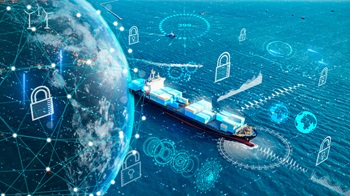 In grocery, cybersecurity is not simply about protecting data, it is about keeping product moving throughout the value chain.
The modern grocery supply chain depends on a web of connected systems, partners and platforms. Ordering systems, warehouse management systems, transportation networks, supplier portals, electronic data interchange, cold chain monitoring, inventory platforms and store technology all play a role in getting products from suppliers to distribution centers to store shelves.
When those systems are compromised or unavailable, the impact is not limited to IT. A cyber incident can quickly become a supply chain incident.
For retailers, wholesalers and CPG trading partners, the operational consequences can be immediate. Transmitting orders could come to a halt. Advance shipment notices will likely be delayed or inaccurate. Warehouse teams may lose visibility into inbound loads. Transportation teams may struggle to route deliveries. Stores may experience replenishment gaps. Finance teams may face invoicing, claims or payment disruptions. Food safety and traceability teams may have difficulty accessing critical records when speed matters most. Manual workarounds will be required, creating additional cost and errors.
In a highly connected supply chain, disruption travels fast.
This risk is growing as the industry becomes more digitally reliant, automated and dependent on third-party systems. All aspects of the supply chain now exchange data continuously. That connectivity creates speed and efficiency, but it also creates exposure. A vulnerability in one system or partner can ripple across the broader network.
The role AI will play is a double-edged sword. On one hand, it could help InfoSec teams improve early warning and response, business continuity planning and third-party risk management. On the other hand, attackers are also using AI to create more convincing phishing emails and more sophisticated social engineering, further complicating the situation.
Cybercriminals understand this. They know operational disruption creates urgency. In the grocery supply chain, where product freshness, store service levels and customer trust matter deeply, downtime can be especially costly. A cyberattack that interrupts ordering, receiving, picking, routing or inventory visibility can create pressure far beyond the technology team.
That is why supply chain leaders need to be part of the cybersecurity conversation. Cyber preparedness should not live only in the server room or boardroom. It belongs in distribution centers, transportation planning, vendor management, procurement, food safety, store operations and executive continuity planning.
The business question is no longer simply, “Are our systems secure?” The better question is, “Can we continue operating if key systems go down?”
Cybersecurity has become part of operational resilience. The companies best prepared for disruption will be those that understand their dependencies, test their response plans and collaborate with partners before a crisis occurs.
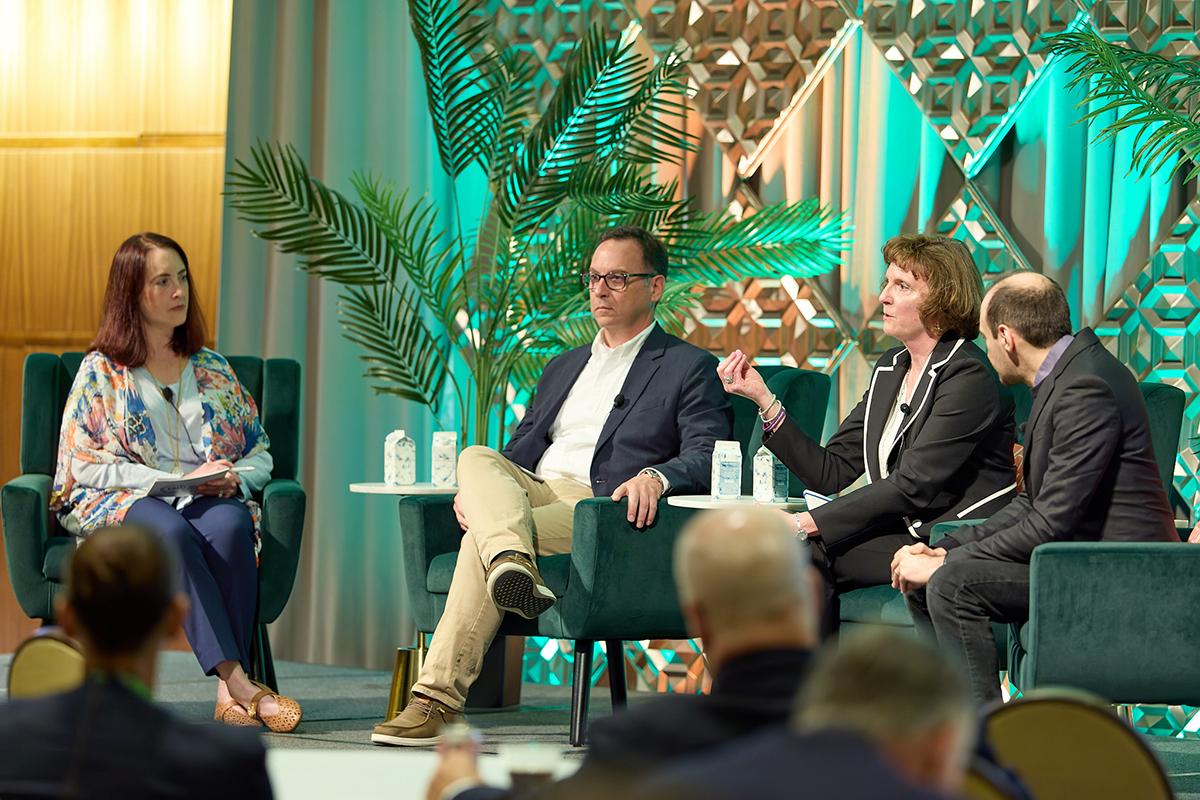
This is why FMI has committed to including this topic across all of our education events and will address it at the FMI Supply Chain Forum later this fall. No single company can solve this challenge alone.
In a connected grocery supply chain, cyber resilience leads to supply chain resilience.
 Industry Topics address your specific area of expertise with resources, reports, events and more.
 Our Research covers consumer behavior and retail operation benchmarks so you can make informed business decisions.
 Events and Education including online and in-person help you advance your food retail career.
 Food Safety training, resources and guidance that help you create a company food safety culture.
 Government Affairs work — federal and state — on the latest food industry policy, regulatory and legislative issues.
 Get Involved. From industry awards to newsletters and committees, these resources help you take advantage of your membership.
 Best practices, guidance documents, infographics, signage and more for the food industry on the COVID-19 pandemic.
