
Electronic shelf labels streamline store operations, deliver clearer product information for shoppers and connect the physical shelf to the store’s digital operating model.
By: Jennifer Shawgo, Senior Director, Technology Strategy & Programs, FMI
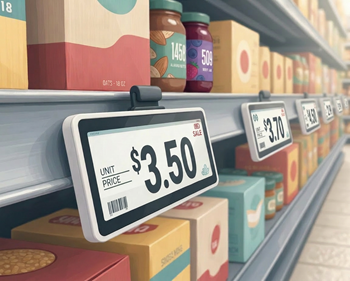 The grocery industry has spent years digitizing the shopper journey, but the physical shelf is still doing too much work on paper.
That matters because the shelf is where product availability, price, promotion, fulfillment, merchandising, food safety and shopper trust all come together. It is also where store teams execute thousands of manual updates every week with little room for error.
Electronic shelf labels (ESLs) are often described as digital price tags, but that framing is too small. A better way to understand them is as shelf-edge infrastructure: a digital layer that connects the physical shelf to the systems already running the store.
The first use case is accuracy. When shelf tags and point-of-sale systems are updated through separate processes, mismatches are inevitable. ESLs help close that gap by allowing shelf information to update from the same source of truth as the register. In grocery, accuracy is not administrative housekeeping. It is part of the trust contract with the shopper.
There is also an employee experience story here that deserves more attention. Paper tag maintenance is necessary work, but it is repetitive, time-sensitive and physically demanding at scale. It pulls associates away from higher-value, customer-facing work: helping shoppers, supporting fresh departments, improving fulfillment accuracy, managing shelf conditions and keeping the trip moving. ESLs can reduce that manual burden and give store teams more time for the work where their judgment, service and product knowledge matter most.
Fresh execution is another meaningful use case. When stores can mark down short-dated items faster, shoppers get access to lower prices and retailers reduce waste. The value is practical and measurable: better sell-through for retailers, less food waste and more affordable fresh options for shoppers.
ESLs can also support omnichannel fulfillment. As more digital orders are picked from store aisles, the shelf is serving both the shopper standing in front of it and the associate picking an online order. Pick-to-light capabilities can help teams locate items faster, reduce substitutions and improve order accuracy.
The shelf can also become a better source of product information. The paper shelf tag has limited space, but shopper questions are getting more complex. Allergens, nutrition, product origin, sustainability attributes, digital coupons and preparation ideas cannot all fit cleanly on a tiny strip of paper. ESLs, QR codes and NFC can connect shoppers to richer information without turning the aisle into a screen circus.
Product information matters even more as retailers navigate SNAP and WIC item eligibility. Nutrition benefit programs increasingly require accurate item-level execution, and shoppers should not have to wait until checkout to learn whether an item qualifies. ESLs can display SNAP- and WIC-eligible indicators tied to current product data, including state-specific eligibility rules where applicable. Clearer information at the shelf can reduce confusion, prevent avoidable checkout friction and help associates answer questions with more confidence. This is not just a compliance use case. It is a shopper dignity use case.
The point is not that every store needs every feature on day one. The point is that the physical shelf is becoming a connected operating layer. POS, inventory, ecommerce, loyalty, merchandising and fulfillment all meet at the shelf. When the shelf becomes connected, retailers can manage the experience with more accuracy, speed and visibility.
The shelf has always been where grocery wins or loses the trip. Now it can finally become part of the digital operating model.
 Industry Topics address your specific area of expertise with resources, reports, events and more.
 Our Research covers consumer behavior and retail operation benchmarks so you can make informed business decisions.
 Events and Education including online and in-person help you advance your food retail career.
 Food Safety training, resources and guidance that help you create a company food safety culture.
 Government Affairs work — federal and state — on the latest food industry policy, regulatory and legislative issues.
 Get Involved. From industry awards to newsletters and committees, these resources help you take advantage of your membership.
 Best practices, guidance documents, infographics, signage and more for the food industry on the COVID-19 pandemic.
