
AI will only create real value in grocery when data, decisions and partnerships are aligned across the entire system rather than optimized in silos.
By: Doug Baker, Vice President, Industry Relations, FMI
 In my last two blogs, I made the case that AI is infrastructure and execution is the hard part. Fixing data is foundational. It is not the finish line.
The real challenge is what happens next. How decisions get made across the business. Media, merchandising, operations and customer strategy are all being influenced by AI, but they are not yet working as a system.
That is the problem GroceryLab is designed to tackle.
The seven labs are not seven topics. They are seven pressure points where AI either breaks down or creates value. Each one exposes a different place where the industry is still operating in silos, even as the technology is moving faster than ever.
We start with the foundation and the signal.
Our first lab, “AI and Data Harmonization” addresses the core issue. Most organizations are still feeding inconsistent, unaligned data into increasingly powerful systems. At the same time, “Retail Media” is operating with too much guesswork. Broad targeting, disconnected data, and misaligned incentives lead to wasted spend and poor shopper experiences. The opportunity is to move from assumptions to precision. From buying impressions to predicting outcomes.
From there, the focus shifts to decisioning and economics.
“Omnichannel Profitability,” “Intelligent Merchandising” and the “Connected Store” all expose the same underlying issue. AI is being applied in pieces, not orchestrated across the business. One system drives demand. Another fulfills it. A third manages the shelf. The result is often a disjointed experience and margin that leaks between decisions.
In reality, these are not separate problems. They are one system that needs to be coordinated. AI should not just make individual tasks faster. It should help leaders decide what matters most when trade-offs are required. Which customer to prioritize. Which order to protect. Where precision adds value and where simplicity wins.
Finally, we focus on value and the growth model itself.
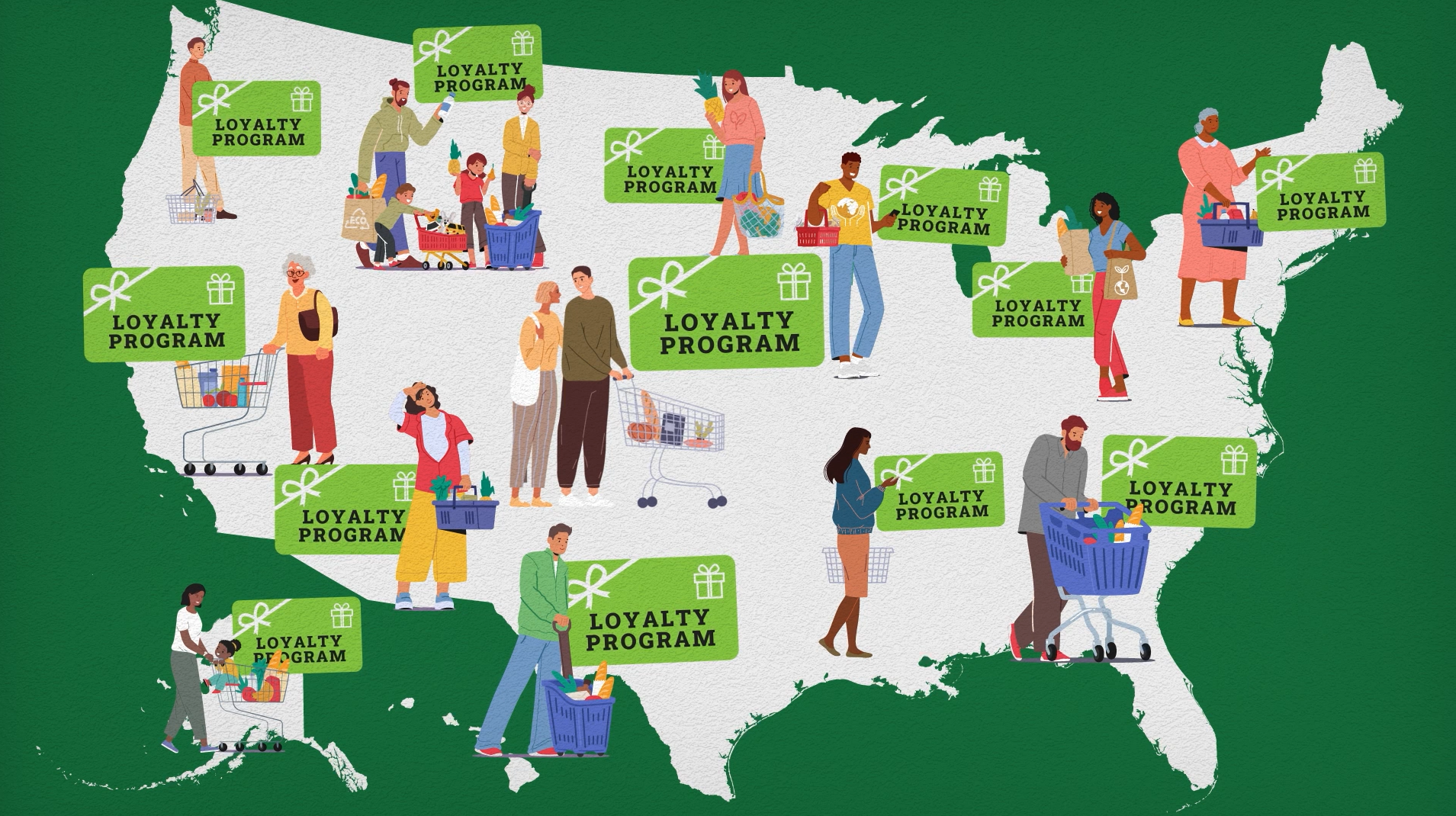
“Customer Lifetime Value and Loyalty” challenges a long-standing assumption. That spend equals value. It does not. Loyalty needs to be treated as an investment system, not a discount engine. At the same time, “Evolution to Joint Value Creation” reframes how retailers and brands work together. Plans are not the issue. Execution is. Most partnerships are still measured on activity rather than outcomes, even as the business becomes more dynamic and interconnected.
Across all seven labs, a consistent theme emerges. AI is not failing because the technology is immature. It is failing because the operating model has not caught up.
GroceryLab is designed as a working session, not a conference. The goal is to bring these pressure points into the open, connect them and give leaders practical ways to move forward.
Because none of these challenges exist in isolation. And neither does the opportunity.
The strength of GroceryLab is not just in the content. It is in the room. The mix of retailers, wholesalers, product suppliers and commercial partners provides the cross-functional perspective this work requires. When those voices come together, the conversation shifts from isolated ideas to shared solutions that the industry can actually execute.
 Industry Topics address your specific area of expertise with resources, reports, events and more.
 Our Research covers consumer behavior and retail operation benchmarks so you can make informed business decisions.
 Events and Education including online and in-person help you advance your food retail career.
 Food Safety training, resources and guidance that help you create a company food safety culture.
 Government Affairs work — federal and state — on the latest food industry policy, regulatory and legislative issues.
 Get Involved. From industry awards to newsletters and committees, these resources help you take advantage of your membership.
 Best practices, guidance documents, infographics, signage and more for the food industry on the COVID-19 pandemic.
