

FMI’s The Power of Seafood 2026 report introduces key insights, highlighting the influence of frequent seafood shoppers, Gen Z trends and opportunities for retailers to strengthen the category through assortment, expertise, value, and health-forward messaging.
By: Olivia Dale, Assistant, Research & Insights, FMI
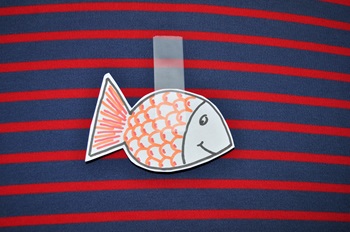 “Poisson d’avril!” Thirty little American children would yell each April Fool’s Day in my French immersion elementary school. Why? Because nothing says “friendship” like secretly taping a paper fish to someone’s back and then gleefully announcing they’ve been fooled. A classic French prank, and one that ensured April 1st in our classroom was filled with giggles, poorly cut construction-paper trout and a consistent fishy tradition.
Fast forward, and those same kids who squealed over April Fool’s “fish” pranks have grown into today’s Gen Z shoppers, some of whom love seafood (often via sushi), and almost half who still haven’t made seafood part of their regular routines. You’ll meet both groups and more in FMI’s recently released The Power of Seafood 2026 report.
A Small Group with a Big Splash
While overall seafood sales appear steady, this year’s data reveals a crucial dynamic:
Ten percent of U.S. shoppers drive 40% of all seafood purchases.
These frequent seafood consumers tend to shop more often, respond strongly to quality cues and, when seafood is in their basket (or anyone’s), the total basket more than doubles, averaging $103.
For retailers and suppliers, this means the category’s most engaged shoppers are highly valuable and highly responsive to investments in assortment, expertise, freshness and clear health-forward messaging.
A Category with a Health Halo
Across all income levels and demographics, seafood continues to enjoy strong consumer perceptions as a high-quality protein that supports heart, brain and overall health. But affordability perceptions differ: some shoppers lean into seafood’s quality and health benefits, while others remain highly price-sensitive.
Retailers who offer multiple price tiers, highlight value across formats (fresh, frozen, shelf-stable, prepared), and reinforce seafood’s health benefits can keep the category accessible and relevant.
Why This Matters Now
April Fool’s Day may bring jokes about fish (at least in France), but the category opportunities are real. Understanding who drives seafood sales, how younger generations like Gen Z are approaching the category and what barriers keep some households on the sidelines helps retailers and suppliers make smarter assortment, pricing and communication decisions.
Investing in seafood today means engaging the shoppers who matter most, and welcoming new ones into the category.
 Industry Topics address your specific area of expertise with resources, reports, events and more.
 Our Research covers consumer behavior and retail operation benchmarks so you can make informed business decisions.
 Events and Education including online and in-person help you advance your food retail career.
 Food Safety training, resources and guidance that help you create a company food safety culture.
 Government Affairs work — federal and state — on the latest food industry policy, regulatory and legislative issues.
 Get Involved. From industry awards to newsletters and committees, these resources help you take advantage of your membership.
 Best practices, guidance documents, infographics, signage and more for the food industry on the COVID-19 pandemic.
