Sustainability requires balancing environmental, animal welfare, human health and economic priorities, with progress depending on understanding tradeoffs across the food system.
By: Julie Savoie, Senior Director, Workforce, Talent & Sustainability, FMI
 Attending Perdue Farms’ 11th Annual Animal Care & Sustainability Summit offered an opportunity to see how animal care, environmental stewardship, human health and farm viability intersect in a working farm setting. I heard directly from producers, scientists and industry leaders about the challenges and opportunities they are navigating in food production, but my key takeaway for food retailers and suppliers is that industry sustainability initiatives cannot be evaluated in isolation
Decisions made at the farm level can cascade across the entire supply chain, and our conversations highlighted how closely connected these challenges are and why progress often requires balancing multiple priorities at once. Understanding those connections and tradeoffs can help the industry make more informed decisions and strengthen the food system over the long term.
Seeing the Whole Farm
The Summit began with the Perdue Farm Experience, where we saw firsthand how decisions about animals, soil, crops, inputs and production systems connect across an entire operation.
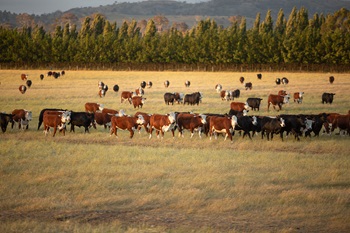
That interconnected perspective carried into the next day, when farmers shared what sustainability looks like on their own farms. We heard about rotating cattle through pasture, planting cover crops and integrating livestock and crops to improve soil health while reducing inputs and costs.
The farms and approaches were different, but the message was consistent: sustainability must work environmentally, economically and operationally if it is going to last.
Balancing Priorities
This experience also reinforced how interconnected the food supply chain really is.
Slower-growing poultry breeds, for example, may provide certain animal-welfare benefits but can also require more time, feed and resources to reach market. Perdue’s experience with No Antibiotics Ever highlighted a similar dynamic. Making that shift involved much more than simply removing antibiotics. It required changes in nutrition, housing, vaccines, air and water quality, and veterinary support.
Reinforcing once again that carbon, animal welfare, food safety, affordability, human health and farm economics do not exist in isolation. Decisions need to be considered across multiple outcomes rather than through the lens of a single goal or metric.
Communicating Progress Clearly
One of the messages that resonated with me came from Dr. Frank Mitloehner of UC Davis, who challenged the industry to communicate complex issues more clearly and credibly. He encouraged the food and agriculture community to explain technical information in ways people can understand, and to give farmers a more direct role and voice in telling the story of how food is produced.
His advice was simple: “Do good things and talk about them.”
That feels especially relevant for the food industry. Consumers want to understand better where their food comes from and how it is produced, but the realities behind those decisions are rarely simple. Retailers and suppliers have an opportunity to help bridge that gap by communicating progress transparently, acknowledging tradeoffs and making complicated topics easier to understand.
My biggest takeaway from the Summit was that sustainability is not one issue, one practice or one metric. Progress comes from understanding the connections across the food system, partnering throughout the value chain, and ensuring the story is told clearly along the way.
 Industry Topics address your specific area of expertise with resources, reports, events and more.
 Our Research covers consumer behavior and retail operation benchmarks so you can make informed business decisions.
 Events and Education including online and in-person help you advance your food retail career.
 Food Safety training, resources and guidance that help you create a company food safety culture.
 Government Affairs work — federal and state — on the latest food industry policy, regulatory and legislative issues.
 Get Involved. From industry awards to newsletters and committees, these resources help you take advantage of your membership.
 Best practices, guidance documents, infographics, signage and more for the food industry on the COVID-19 pandemic.
