
As more grocery shoppers use AI agents, protected preferences could matter more than repeat purchase decisions.
By: Jennifer Shawgo, Senior Director, Technology Strategy & Programs, FMI
 Online grocery shoppers already indicate when they want an exact item, when a replacement is acceptable and when they would rather receive a refund. As AI takes on more list building, comparison and purchasing, those choices could become standing instructions.
Always buy this coffee. Do not replace this yogurt. Choose certified organic. Start with my preferred retailer. Get the bakery bread there, even when another store has a lower basket price.
The shopper may protect a brand, a product attribute, a private-brand item, a fresh department or the retailer itself.
For product suppliers, the opportunity is to become the item the shopper names. For retailers, it is to own enough protected choices that the rest of the basket follows.
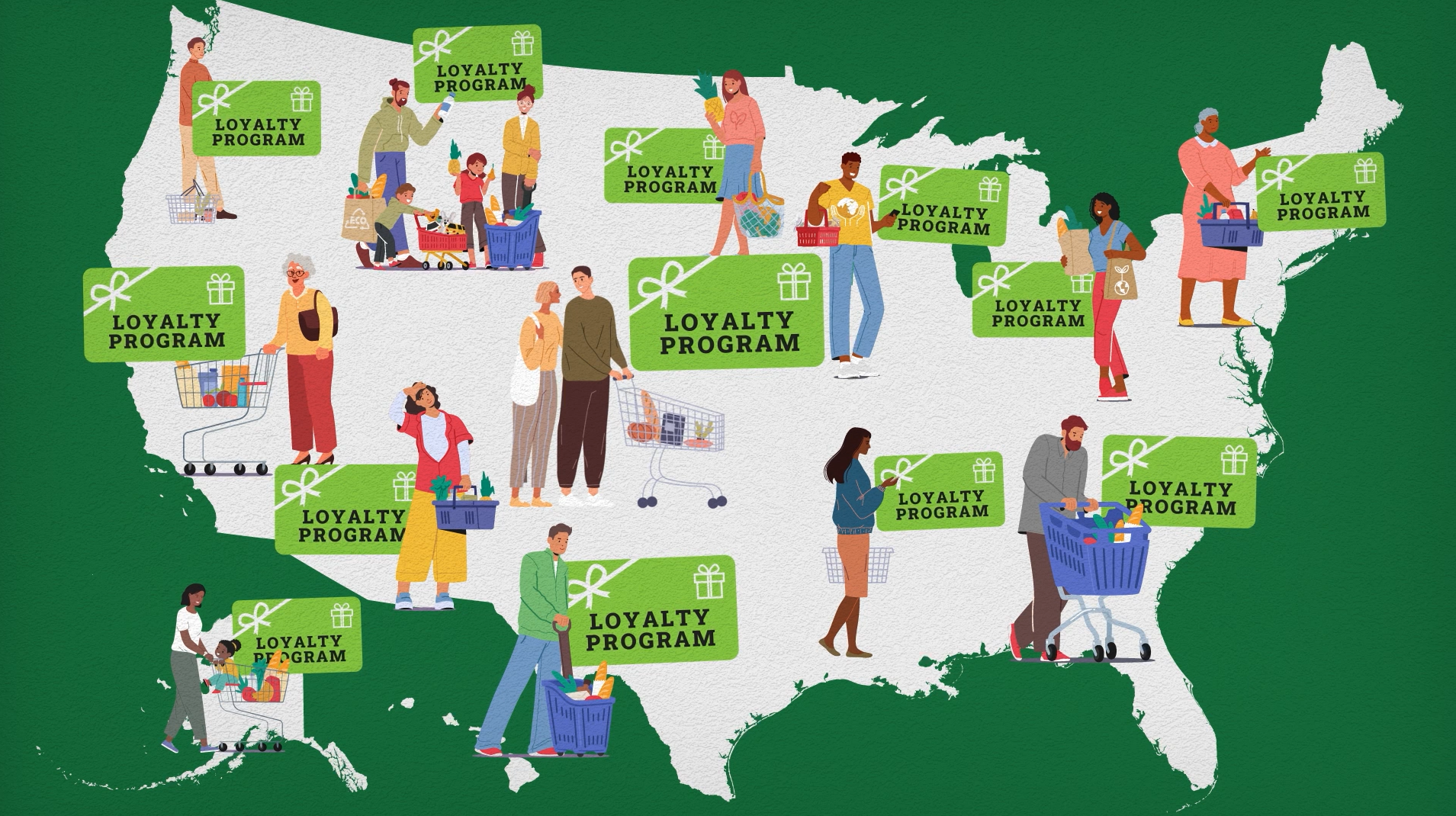
As shoppers hand more purchasing decisions to AI, loyalty may be defined less by repeat purchases and more by the preferences shoppers choose to protect.
Protected preferences can anchor the basket
A protected preference by an online shopper may carry more value than the sale of one item. It may influence where the entire basket gets built.
A national brand can anchor the product choice while leaving retailer options open. The shopper wants that exact item and allows the agent to determine where to buy it.
A private-brand product can create the opposite result. Protecting the item also protects the retailer.
The same can be true of organic products, specialty items, fresh products, as well as unique and seasonal home, health and lifestyle items. A shopper may prefer a retailer because of its produce quality, signature prepared foods, bakery, meat counter or a seasonal item they cannot easily find elsewhere.
These products may represent a small share of the purchase while serving as the reason the basket starts at a specific retailer.
Repeat purchase may not equal protected preference
Retailers and product suppliers often identify loyalty through frequency and repeat purchase.
AI shopping agents could reveal how much of that behavior reflects strong preference and how much reflects habit or convenience. When an agent can compare other options without creating more work for the shopper, some repeated patterns may continue. Others may disappear.
The same applies to retailer loyalty. A familiar app or convenient location may drive repeat trips today. An agent could compare several retailers in seconds.
Frequency tells marketers what happened. It does not fully explain what the shopper will protect once more decisions are delegated to AI.
Retailers and product suppliers may want different instructions
A product supplier may want the shopper to say: “Buy this exact product wherever you can fulfill it best.”
A retailer may prefer: “Start with this store and choose the best products available there.”
The first protects the product while leaving the retailer flexible. The second protects the retailer while leaving more of the product selection open.
The strongest shared outcome protects both: “Buy this product from my preferred retailer.”
When neither decision is protected, the agent can optimize the product and retailer based on price, nutrition, convenience or another household priority.
Promotions could become part of the rules
A shopper may also instruct an agent to buy a preferred product only below a certain price.
That makes it important to understand whether a promotion is strengthening preference or establishing the conditions for replacement.
Did the household purchase again without the offer? Did the product become a named preference? Did the promotion strengthen the retailer relationship, or did the purchase move as soon as another deal appeared?
Immediate return on ad spend does not answer those questions. Longer-term repeat behavior, full-price purchasing and customer lifetime value provide a better view.
Consider what shoppers would protect
Retailers and product suppliers can begin by identifying the parts of the basket most likely to become protected preferences.
That could include national brands, private-brand products, organic or dietary attributes, specialty items, signature fresh offerings, unique home, health and lifestyle items, and the retailer relationship itself.
Agentic shopping is still developing. The opportunity now is to understand which products, attributes and retail experiences shoppers are most likely to remove from the agent’s discretion, then strengthen the value behind those choices.
 Industry Topics address your specific area of expertise with resources, reports, events and more.
 Our Research covers consumer behavior and retail operation benchmarks so you can make informed business decisions.
 Events and Education including online and in-person help you advance your food retail career.
 Food Safety training, resources and guidance that help you create a company food safety culture.
 Government Affairs work — federal and state — on the latest food industry policy, regulatory and legislative issues.
 Get Involved. From industry awards to newsletters and committees, these resources help you take advantage of your membership.
 Best practices, guidance documents, infographics, signage and more for the food industry on the COVID-19 pandemic.
