While grocery inflation has eased from its peak in recent years, food prices are still expected to rise moderately due to higher energy, fertilizer, transportation and import costs, along with weather and crop-related disruptions.
By Andy Harig, Vice President, Tax, Trade, Sustainability and Policy Development, FMI
Food prices remain top of mind for shoppers, policymakers and the food industry alike. While grocery inflation has moderated from the historic highs experienced during the COVID-19 pandemic, a new set of global and domestic pressures is creating fresh challenges for the food supply chain. I recently joined Dr. Ricky Volpe, professor of agribusiness at California Polytechnic State University, for a media briefing to examine what is influencing food prices and what consumers can expect in the months ahead.
Andy Harig: Despite concerns about inflation and the broader economy, grocery shoppers remain surprisingly optimistic. Perhaps most encouraging , 80% of shoppers say they feel they have control over their household grocery spending. While that is welcome news, the economic environment is creating challenges for shoppers. What do the latest inflation numbers tell us?
Dr. Ricky Volpe: The most recent Consumer Price Index (CPI) showed food-at-home prices increasing, alongside higher costs in categories such as meats, poultry, fish, eggs and dairy. Energy prices remain a major concern. Gasoline prices increased in April, and while the monthly increase was lower than the previous month, fuel costs remain significantly higher than a year ago. Because fuel is essential at every stage of the food supply chain—from farm equipment to processing plants to delivery trucks—higher energy costs can place upward pressure on grocery prices.
Harig: With that context in mind, are we headed toward another period of runaway food inflation?
Volpe: While food prices are likely to rise, I don’t believe we are looking at a repeat of the severe inflation seen during 2021 and 2022. My expectation is that food-at-home inflation in 2026 could reach approximately 4% to 4.5%. That would be above the long-term average, but still well below the double-digit inflation rates experienced immediately following the pandemic. Consumers should also not expect widespread shortages. The U.S. food system has proven itself remarkably resilient.
Harig: Four-plus percent isn’t great news, but it’s reassuring to know we likely aren’t looking at double-digit price growth this year. So, what are the biggest factors pushing food prices higher?
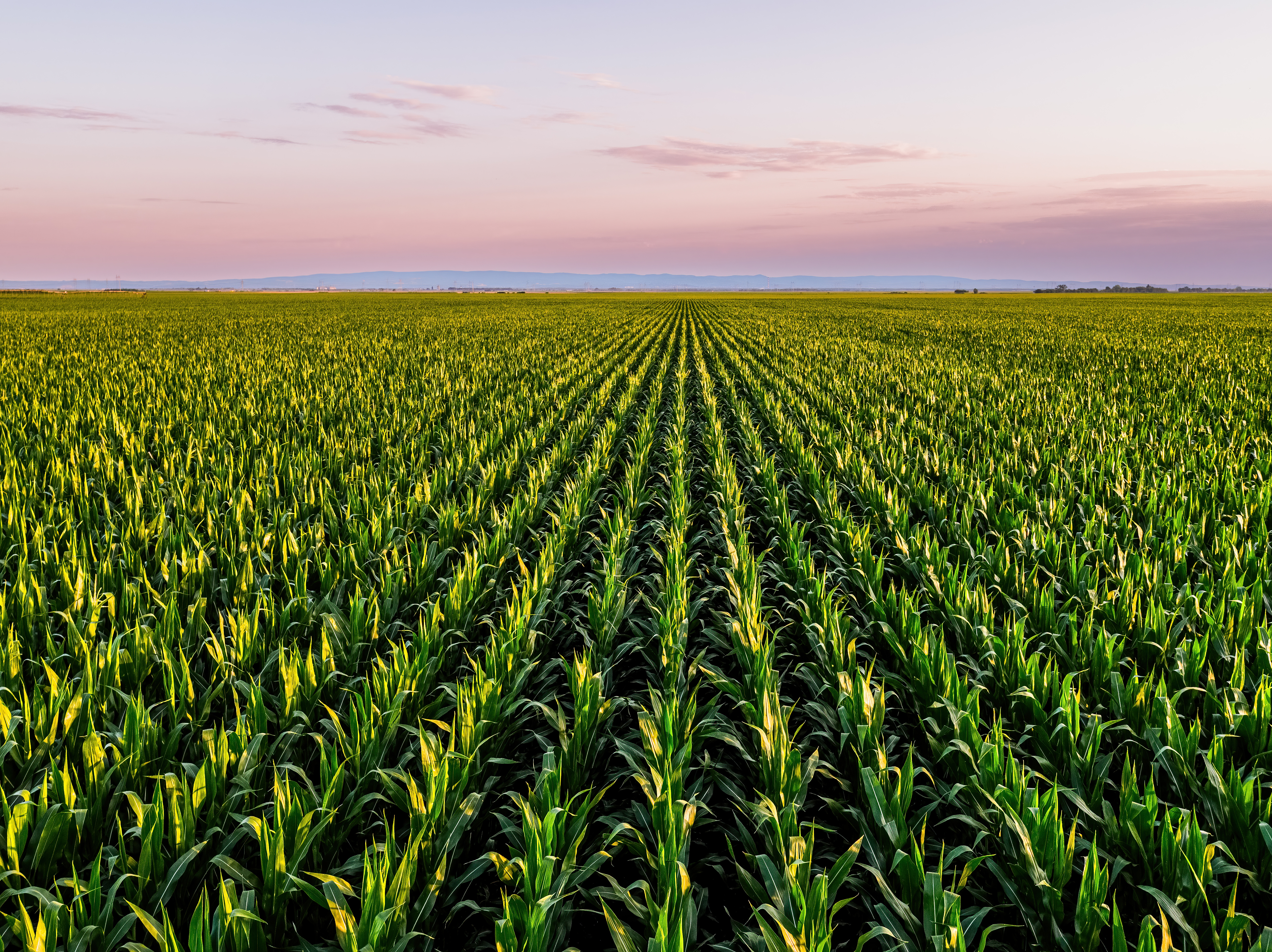
Volpe: Several factors are converging. Global conflicts are disrupting energy markets and increasing fuel prices. Those costs affect farming, manufacturing, refrigeration and transportation. Fertilizer costs have risen sharply, with some estimates showing prices have doubled. These higher costs will affect major crops such as corn, wheat and soybeans, which serve as the foundation for much of the food supply. Across-the-board tariffs on certain imports continue to raise the cost of ingredients, packaging materials and other critical inputs, including steel and aluminum used in food processing and packaging. Long-haul trucking remains one of the most important cost drivers in the food system. Nearly every food product depends on trucks at some point in its journey to store shelves. California’s unusually warm winter has resulted in minimal mountain snowpack, reducing water availability for fruit and vegetable growers. Drought and wildfires in other parts of the country are adding further uncertainty. And lastly, persistent challenges such as citrus greening in the Southeast and fusarium wilt affecting leafy greens continue to constrain supply in specific categories.
Harig: That’s quite a list. Clearly, the food industry is facing challenges throughout the supply chain. Why do these pressures take so long to show up at the grocery store?
Dr. Ricky Volpe: Input costs tend to move through the supply chain gradually given that so many players are involved and it’s an incredibly complex system. For example, a rise in fertilizer prices today affects planting decisions, which then influences crop yields months later. Those crops must be harvested, processed, transported and turned into finished food products before consumers see any impact at retail. That is why cost pressures happening now may continue to affect grocery prices through late 2026 and into 2027.
Harig: With all of this complexity, how do we get a sense of potential shifts in food price inflation? Which indicators should people watch to understand where food prices are headed? Is there a proverbial “canary in the coal mine” that we can focus on?
Volpe: One of the most useful indicators I track is the Producer Price Index (PPI), which captures upstream cost pressures for farmers, manufacturers and wholesalers. There’s a PPI for virtually any upstream cost of interest. Additional indicators that I like to keep an eye on include fertilizer prices, diesel fuel prices, long-haul truck rates, commodity prices for corn, soybeans and wheat, and seed costs. These data points provide an early view of cost pressures that may eventually reach store shelves.
Harig: It seems like these supply chain challenges aren’t going away any time soon. But the industry is making serious investments in supply chain resilience to help mitigate some of the impacts we are seeing. What role is technology playing in the food industry to help keep grocery prices as low as possible?
Volpe: The food industry has spent years investing in technologies that strengthen supply chain resilience and reduce costs. Artificial intelligence is helping companies improve forecasting, optimize inventory and reduce food waste. Automation and mechanization are addressing persistent labor shortages, particularly in agriculture and food manufacturing. Renewable energy investments—including solar and wind—are helping producers and retailers reduce exposure to volatile global fuel prices. Taken together, these innovations are making the supply chain more efficient and better prepared to withstand future disruptions.
Harig: Thank you, Dr. Volpe, for that insightful discussion. In closing, the food industry is facing real cost pressures, but grocers remain focused on keeping food affordable and shelves stocked. Consumers may see some price increases in certain categories over the coming months, particularly in products affected by higher energy, fertilizer and transportation costs. But this is not a replay of the pandemic-era inflation surge. The U.S. food system remains one of the most efficient and resilient in the world, and food retailers continue working every day to provide the value, variety and reliability shoppers count on
 Industry Topics address your specific area of expertise with resources, reports, events and more.
 Our Research covers consumer behavior and retail operation benchmarks so you can make informed business decisions.
 Events and Education including online and in-person help you advance your food retail career.
 Food Safety training, resources and guidance that help you create a company food safety culture.
 Government Affairs work — federal and state — on the latest food industry policy, regulatory and legislative issues.
 Get Involved. From industry awards to newsletters and committees, these resources help you take advantage of your membership.
 Best practices, guidance documents, infographics, signage and more for the food industry on the COVID-19 pandemic.
