Jul 21, 20212 min read
By Marjorie DePuy, Senior Director, Supply Chain and Sustainability, FMI and Andy Harig, Vice President of Tax, Trade and Sustainability Policy, FMI
Last week, FWRA as well as FMI signaled its support for new legislation aimed at advancing the goal of halving U.S. food loss and waste by 2030 and reducing the climate impacts of food waste.
The Zero Food Waste Act was introduced by Representatives Julia Brownley (D-CA), Ann McLane Kuster, (D-NH), and Chellie Pingree (D-ME), and by Senator Cory Booker (D-NJ). This legislation would establish a new U.S. Environmental Protection Agency program for state, local and tribal communities to lead efforts to measure, prevent and build the infrastructure necessary to decrease food waste across America.
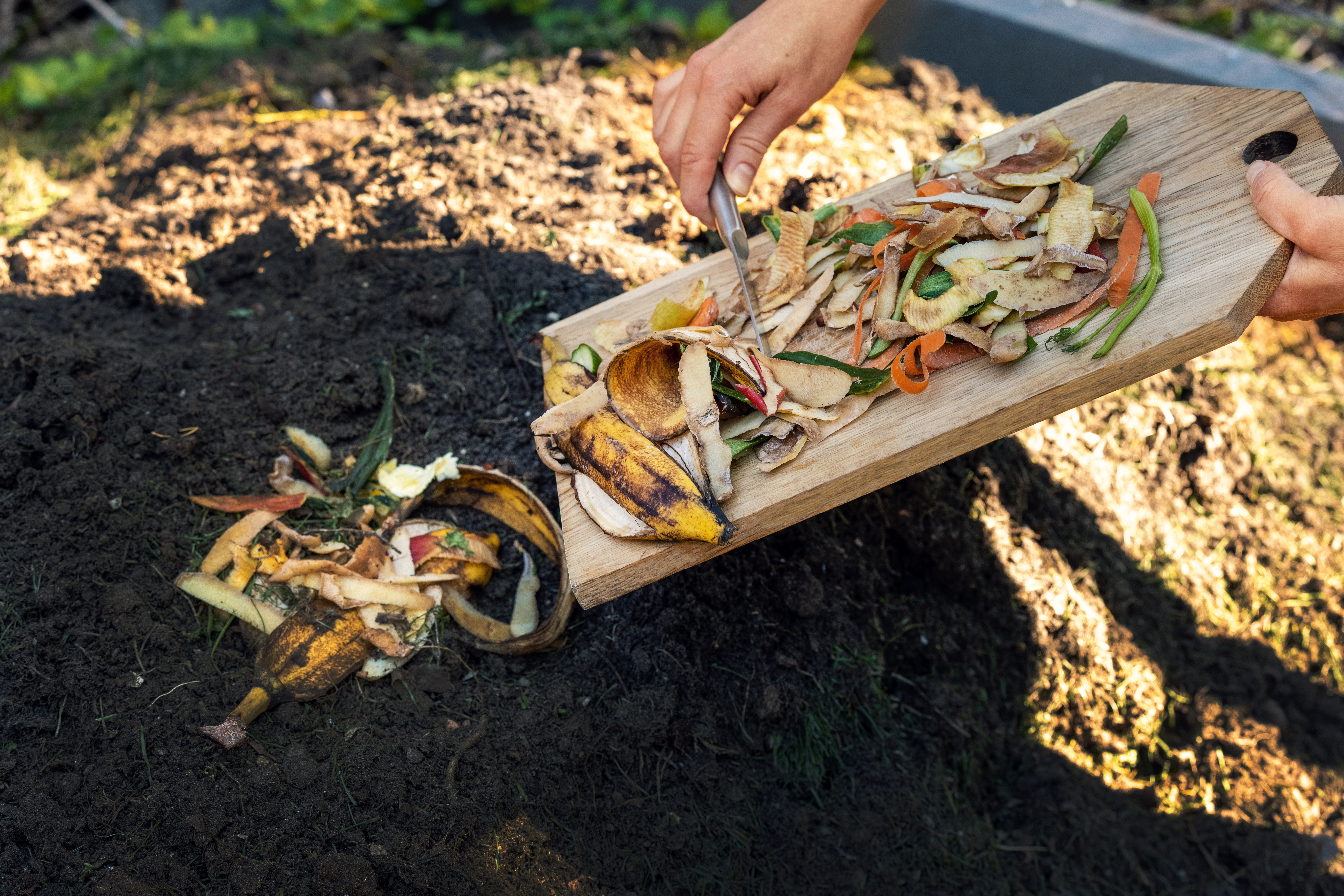
A landfill is at the bottom of the food waste hierarchy, but when composted, food waste can be recycled into a soil amendment or used as an energy source. The Cultivating Organic Matter through the Promotion Of Sustainable Techniques (COMPOST) Act would add composting as a practice for U.S. Department of Agriculture (USDA) conservation programs, whether from organic waste or on-farm usage. It also would create new USDA grant and loan guarantee programs for composting infrastructure projects, including both large-scale composting facilities as well as farm, home or community-based projects.
World Wildlife Fund, NRDC (Natural Resources Defense Council), Harvard Food Law and Policy Clinic and ReFED are leading the advocacy effort in favor of these proposals, with support from the public and private sector. Both pieces of legislation are in line with the policy goals of FWRA, which advocates for policies that support the development of the food waste recycling and donation infrastructure across the nation. Having a cost-effective way for businesses to recycle food waste is essential, and building the infrastructure is the first step.
FWRA will be convening a workshop this fall to discuss additional efforts our industry can take to assist our members in their critical food waste reduction journeys.
 Industry Topics address your specific area of expertise with resources, reports, events and more.
 Our Research covers consumer behavior and retail operation benchmarks so you can make informed business decisions.
 Events and Education including online and in-person help you advance your food retail career.
 Food Safety training, resources and guidance that help you create a company food safety culture.
 Government Affairs work — federal and state — on the latest food industry policy, regulatory and legislative issues.
 Get Involved. From industry awards to newsletters and committees, these resources help you take advantage of your membership.
 Best practices, guidance documents, infographics, signage and more for the food industry on the COVID-19 pandemic.
