
By: Jeanne von Zastrow, Senior Director for Sustainability, Food Marketing Institute 
Bugs give most people the heebie jeebies, especially around this time of year, when we see Halloween decorations of spiders, worms, bugs and creepy crawlies lurking throughout our neighborhoods. Yet, from the time I was little, I loved to collect bugs. The scene in Indiana Jones and the Temple of Doom where Kate Capshaw puts her hand in the bug-filled opening to rescue Harrison Ford and Jonathan Ke Quan from certain death never even fazed me. I’d fetch praying mantis and katydid bugs and wear them on my shirts, make pets of them and I even experimented with tasting them – and I’ll admit, I made my little sisters eat them, too.
Despite the spine tingle bugs give most everyone, there is one place where the idea of bugs shouldn’t make our pulse quicken – it’s on future supermarket shelves. By 2050 we’ll need to feed two billion more people than we are today using more sustainable and move innovative proteins. According to National Geographic, more than 25 percent of the world’s people eat insects and that number is growing.
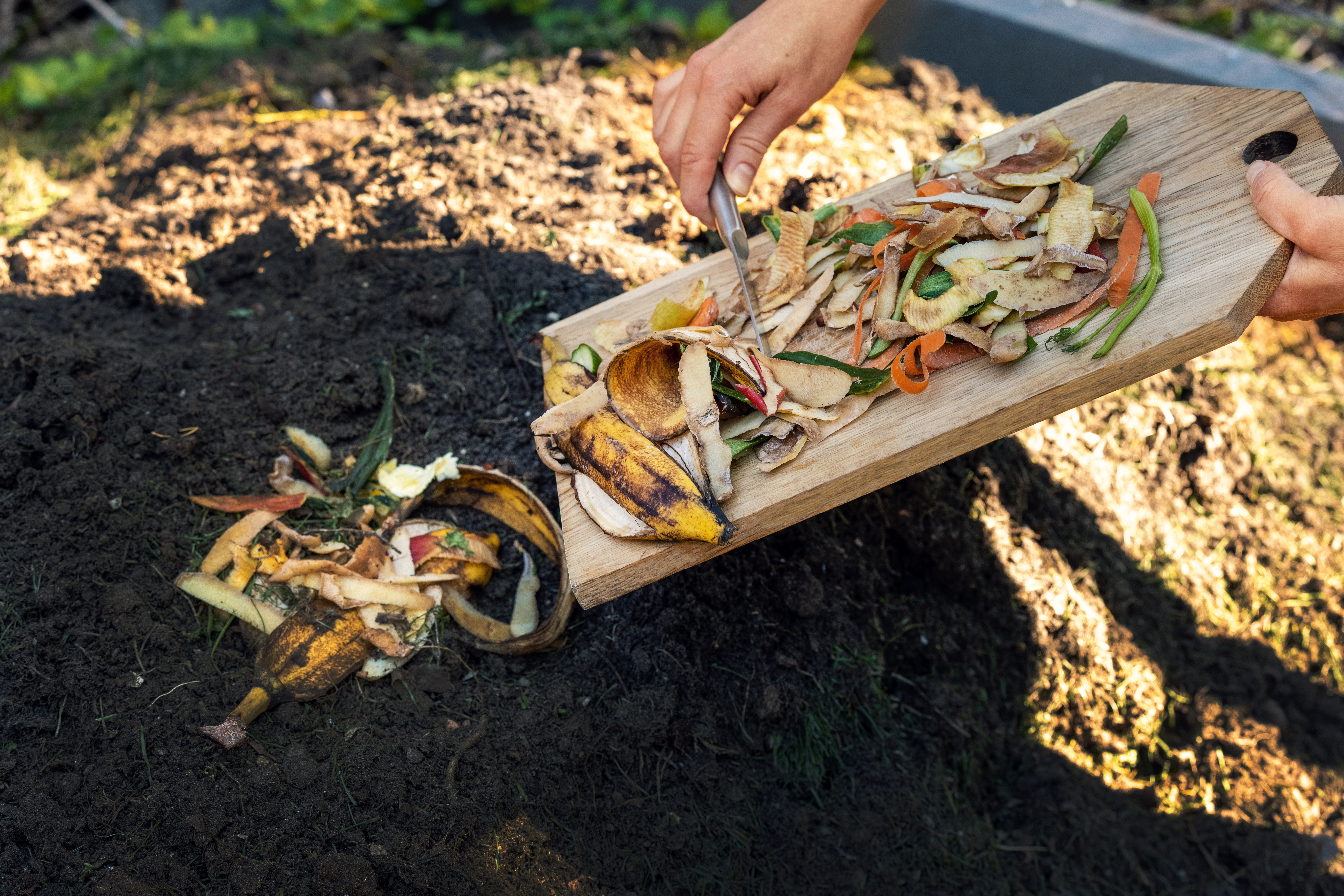
 Outside Magazine and Entrepreneur both recently profiled the rise of insect-based foods. Even the United Nations has outlined the benefits insects offer for enhancing food security and sustainability. A number of new companies are experimenting with products made from alternative bug energy. In one interesting model, crickets are being farmed and fed on food waste, then turned into flour. This process can be efficient, sustainable and provide nutritional value similar to most meats. Some aquaculture operations are pioneering new feed such as meal worms, which are fed on food waste. This creates a virtuous cycle that could dramatically reduce negative environmental impacts to oceans and small fish populations.
 Industry Topics address your specific area of expertise with resources, reports, events and more.
 Our Research covers consumer behavior and retail operation benchmarks so you can make informed business decisions.
 Events and Education including online and in-person help you advance your food retail career.
 Food Safety training, resources and guidance that help you create a company food safety culture.
 Government Affairs work — federal and state — on the latest food industry policy, regulatory and legislative issues.
 Get Involved. From industry awards to newsletters and committees, these resources help you take advantage of your membership.
 Best practices, guidance documents, infographics, signage and more for the food industry on the COVID-19 pandemic.
