

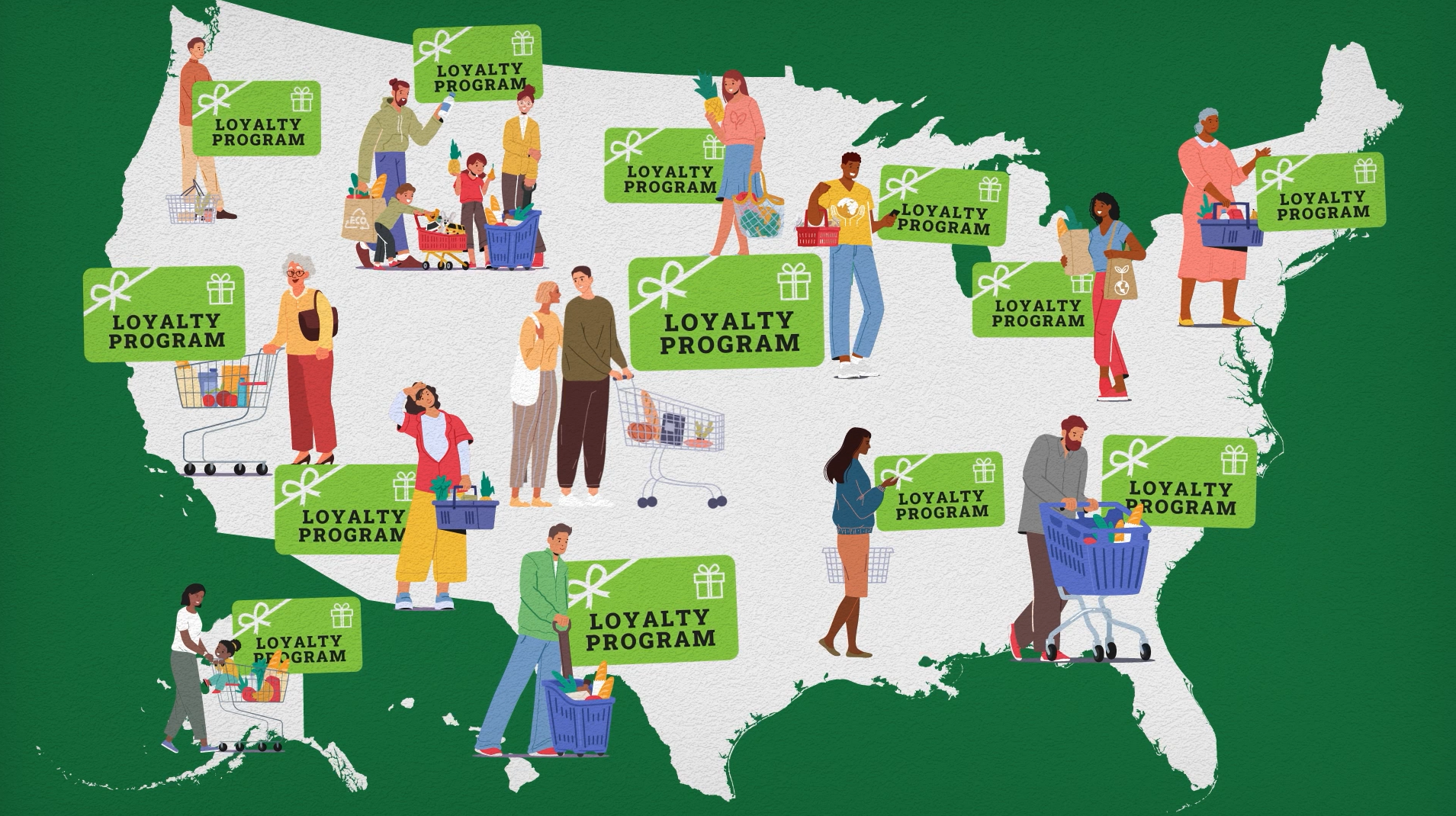
AI is increasingly influencing grocery shopping decisions across channels, making it essential for retailers and suppliers to measure whether that influence drives incremental sales, larger baskets and greater profitability or simply shifts existing spending.
By: Jennifer Shawgo, Senior Director, Technology Strategy & Programs, FMI
 Somewhere, an omnichannel shopper is asking an AI assistant to plan meals for the week, accommodate dietary preferences and suggest products that fit within a household budget. List in hand, the shopper heads to their neighborhood grocery store.
The purchase happens at the register. But several decisions about what went into that basket may have been made before the shopper ever entered the store.
AI doesn't need to complete a transaction to influence grocery spending. It can inspire an additional purchase, influence a brand choice, recommend a substitute or help a shopper decide where to shop in-store.
The larger and more interesting commercial question remains; when AI helps shape the grocery basket, how do we know whether it's creating new growth or simply changing where, when and how shoppers spend?
Grocery Shopping Is Already Omnichannel
FMI's State of Technology 2026 offers important context. According to the report, 94.3% of grocery buyers made purchases both online and in-store in 2025, yet physical stores still accounted for 80% of grocery sales dollars.
The research also found that 26% of shoppers use AI tools such as ChatGPT while planning grocery trips, with the same percentage reporting usage while shopping.
Together, these findings point to a shopping journey that doesn't fit neatly within individual channels. The implications extend well beyond ecommerce conversion. Digital tools increasingly inform decisions that may ultimately result in an online order, an in-store purchase or a combination of both.
An AI-generated meal plan might encourage a shopper to buy an unfamiliar ingredient, adding a product to the basket that otherwise wouldn't have been purchased. A recommendation for a retailer's private brand might change basket composition and improve margin. A comparison of prices or product availability might influence which store earns the digital or in-store shopping trip.
What Actually Changed Because of AI?
Retailers have increasingly sophisticated ways to understand transactions, loyalty engagement, promotional performance and digital activity. But measuring what influenced a purchase, particularly when that influence originated outside the retailer's own channels, remains difficult.
This distinction between attribution and incrementality is familiar across retail media, promotions, and digital commerce. AI makes it increasingly relevant to the broader grocery shopping journey.
The goal is to understand the commercial outcomes that matter. Did AI influence an additional store trip? Increase basket size? Change product mix or profitability? Strengthen a customer relationship? Or simply redirect spending that would have occurred elsewhere? These questions become particularly important when retailers and suppliers may experience the same basket change differently.
Connecting Influence to Business Value
One of the central findings in State of Technology 2026 is that consumer behavior has evolved toward omnichannel and digitally influenced shopping faster than many retailers' systems, content strategies and organizational structures have evolved to support it.
Better understanding AI’s influence on purchasing decisions will require secure, connected information across customer engagement, merchandising, loyalty, ecommerce and in-store transactions, along with clearer definitions of the outcomes retailers and their trading partners want to measure.
There is a large opportunity in making products easier for AI tools to recommend or enabling another way to check out, especially for unique items, private brands and fresh. The equally important opportunity is understanding how AI changes shopping behavior across channels and whether those changes create meaningful business value.
 Industry Topics address your specific area of expertise with resources, reports, events and more.
 Our Research covers consumer behavior and retail operation benchmarks so you can make informed business decisions.
 Events and Education including online and in-person help you advance your food retail career.
 Food Safety training, resources and guidance that help you create a company food safety culture.
 Government Affairs work — federal and state — on the latest food industry policy, regulatory and legislative issues.
 Get Involved. From industry awards to newsletters and committees, these resources help you take advantage of your membership.
 Best practices, guidance documents, infographics, signage and more for the food industry on the COVID-19 pandemic.
