“Today’s vote caps more than a decade of work by FMI and our members to educate members of Congress about these excessive fees and their impact on our customers. This vote is incredibly important to both merchants and consumers and is the beginning of a process that will provide greater transparency in credit and debit transactions. It will give merchants the ability to more efficiently plan their operational costs for the benefit of their customers,” said Leslie G. Sarasin, president and chief executive officer at FMI. “We applaud the House for approving this bill to bring reasonable regulation to interchange swipe fees set by the banks and credit card companies.”
If the conference report passes in the Senate, President Obama has said he intends to sign it and make it law.
Consumers have been paying more than $50 billion a year in hidden interchange fees to credit card companies and banks. Interchange fees are collected by banks and credit card companies each time a consumer uses a credit or debit card to make a purchase, ultimately these fees lead to higher prices for all consumers. Since theses fees are hidden, consumers are unaware of the costs associated with their cards.
FMI has represented the voices of more than 26,000 supermarkets to address the exhorbitant fees and to negotiate reasonable swipe fees. FMI is a founding member of the Merchants Payments Coalition (MPC), a group of nearly 100 associations representing retailers, supermarkets, drug stores, convenience stores, fuel stations, online merchants and other businesses that accept debit and credit cards. FMI serves as the chairman of the legislative subcommittee of the MPC. FMI and the coalition have been fighting for more than 5 years legislatively and more than a decade to educate Members of Congress on the need for a more competitive and transparent card system. The coalition’s member associations collectively represent some 2.7 million stores with about 50 million employees.
 Industry Topics address your specific area of expertise with resources, reports, events and more.
 Our Research covers consumer behavior and retail operation benchmarks so you can make informed business decisions.
 Events and Education including online and in-person help you advance your food retail career.
 Food Safety training, resources and guidance that help you create a company food safety culture.
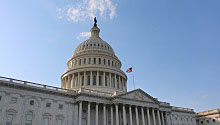 Government Affairs work — federal and state — on the latest food industry policy, regulatory and legislative issues.
 Get Involved. From industry awards to newsletters and committees, these resources help you take advantage of your membership.
 Best practices, guidance documents, infographics, signage and more for the food industry on the COVID-19 pandemic.
