- Water for Drinking, Cooking or Cleaning
After a flood, consider all water unsafe. Listen for public announcements on the safety of the local water supply before using any water for drinking, cooking or cleaning. When using faucet water, bring water to a rolling boil for 1 minute. Boiling water will make water safe from bacterial, viral and parasitic diseases. (Contact your local health department for specific recommendations if there has been a chemical contamination of your water.) - Non-Refrigerated Foods
Save canned foods if they are not dented or damaged. Throw away all dry and fresh foods that came in direct contact with flood water. Throw away all dry and fresh foods, and all cans, that came in contact with industrial or septic waste. If unsure about any food, throw it out. - Discard Non-Refrigerated Items
Discard items that come in contact with flood water or if contamination is suspected. - Fresh produce.
- All glass/jarred foods, including those that were never opened such as mayonnaise and salad dressing. (This is necessary because containers with cork-lined, waxed cardboard, pop tops, peel-off tops or waxed seals are nearly impossible to clean around the lid/opening.)
- All foods in cardboard boxes (e.g., juice boxes), paper, foil, cellophane, cloth or any other kind of flexible container.
- Canned goods that are dented (on lids or seams), leaking or bulging.
- Canned goods that are rusted unless the rust can be easily removed by light rubbing.
- Home canned foods.
- Spices, seasonings and extracts.
- Opened containers and packages of any kind.
- Flour, sugar, grains, pasta, coffee and other staples stored in canisters.
- Save and Clean Canned Foods
Save canned goods that are not bulging, leaking, or dented. However, all cans must be thoroughly cleaned and sanitized. - Cleaning Method for Saved Canned Foods
- Mark contents on the can with a permanent ink pen.
- Remove paper labels as they can harbor dangerous bacteria.
- Wash cans in a strong detergent solution with a scrub brush. Carefully clean areas around lids and seams.
- Soak cans in a solution of two teaspoons of chlorine bleach per quart of room temperature water for 15 minutes.
- Air dry cans before opening.
- Refrigerated Foods
Food in a refrigerator is generally safe if the power was out for less than two hours. Freezer foods will last longer. Food in a full, free-standing freezer will be safe for about two days; a half-full freezer for about 1 day. It is safe to refreeze thawed foods that still contain ice crystals.Do not rely on the appearance or odor of a food to determine if it is safe. Bacteria that cause foodborne illness can multiply rapidly on perishable foods that have been at room temperature for more than two hours.
- Discard Perishable Food Items
Discard items if kept above refrigerator temperature (40oF) for more than two hours: - Raw or cooked meat, poultry or seafood.
- Milk/cream, yogurt, soft cheese.
- Cooked pasta, pasta salads.
- Custard, chiffon, or cheese pies.
- Fresh eggs, egg substitutes.
- Meat or cheese-topped pizza, luncheon meats.
- Casseroles, stew or soups.
- Mayonnaise, tarter sauce, and creamy dressings.
- Refrigerated cookie dough.
- Cream-filled pastries.
- Save Foods If They Have Been Protected From Contamination
Some foods are generally safe without refrigeration for up to a few days. However, double-check each item and discard it if it turns moldy or has an unusual odor or look. These foods spoil and lose quality much faster at warmer temperatures. - Butter, margarine.
- Fresh fruits and vegetables.
- Dried fruits.
- Opened jars of peanut butter, jelly, relish, taco sauce, salsa, barbecue sauce, ketchup, mustard, olives, oil-based salad dressings.
- Fruit juices.
- Hard or processed cheeses.
- Cleaning Up the Kitchen
Clean and sanitize any kitchen areas/items that have come in contact with flood waters. - Scrub kitchen counters, pantry shelves, refrigerators and stoves with warm, soapy water. Rinse and wipe with a solution of two teaspoons of chlorine bleach to one quart of water using a clean cloth.
- Sanitize dishes and glassware the same way. To disinfect metal pans and utensils, boil them in water for 10 minutes.
- Discard wooden spoons, wooden cutting boards, plastic utensils, and baby bottle nipples and pacifiers. These items may absorb or hide bacteria, making them difficult to clean and sanitize.
- Wash all kitchen linens in detergent and hot water. Use chlorine bleach to sanitize the linens following directions on the bleach container.
- General Food Safety Guidelines
- Always keep cold foods cold (34-40oF) and hot foods hot (140-165oF).
- Never keep perishable foods at room temperature for any longer than two hours, including the time to prepare, serve and eat.
- Keep everything clean: hands, utensils, counters, cutting boards and sinks.
- Never handle foods with bare hands; use clean and sanitized utensils or single-use plastic gloves.
Information developed by FMI in cooperation with USDA.
For more information, including disaster planning and recovery, visit www.fmi.org/foodsafety/disaster.htm.
 Industry Topics address your specific area of expertise with resources, reports, events and more.
 Our Research covers consumer behavior and retail operation benchmarks so you can make informed business decisions.
 Events and Education including online and in-person help you advance your food retail career.
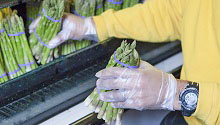 Food Safety training, resources and guidance that help you create a company food safety culture.
 Government Affairs work — federal and state — on the latest food industry policy, regulatory and legislative issues.
 Get Involved. From industry awards to newsletters and committees, these resources help you take advantage of your membership.
 Best practices, guidance documents, infographics, signage and more for the food industry on the COVID-19 pandemic.
