“If we are to restore consumer confidence in our economy, we must provide leadership that shows that Congress and the president are united in reducing spending and funding only those appropriations deemed immediately necessary and essential. Such action will enhance confidence in government budget plans, thereby stimulating business growth and consumer spending.”
President Bush rejected the supplemental appropriations bill, passed by Congress in July, because the spending consisted largely of unrequested funds added by Congress. The president’s action demonstrates his commitment to fiscal discipline and holding the line on spending as Congress prepares for the upcoming debate on the FY 2003 appropriations legislation.
“Fiscal restraint is absolutely essential to maintaining economic recovery,” added Hammonds. “Congress must realize that this is not a time for election year pork and that any additional spending increases must be limited to homeland security and the war on terrorism.”
 Industry Topics address your specific area of expertise with resources, reports, events and more.
 Our Research covers consumer behavior and retail operation benchmarks so you can make informed business decisions.
 Events and Education including online and in-person help you advance your food retail career.
 Food Safety training, resources and guidance that help you create a company food safety culture.
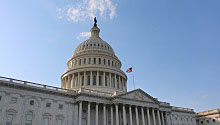 Government Affairs work — federal and state — on the latest food industry policy, regulatory and legislative issues.
 Get Involved. From industry awards to newsletters and committees, these resources help you take advantage of your membership.
 Best practices, guidance documents, infographics, signage and more for the food industry on the COVID-19 pandemic.
