














.jpg?sfvrsn=944756c0_1 "Savage")









.jpg?sfvrsn=f6f19f9b_1 "Susanna Hanson")



.png?sfvrsn=ecba1491_1 "tech stalls (2)")











.png?sfvrsn=965437e5_1 "Dentons (2)")









From smarter inventory practices and food recovery partnerships to FMI’s own event donations, the food industry is turning collaboration into meaningful progress on food waste prevention.
By Andy Harig, Vice President, Tax, Trade, Sustainability and Policy Development, FMI, and Miranda Perez Rivera, Manager, Government Relations, Strategic Communications and Advocacy, FMI
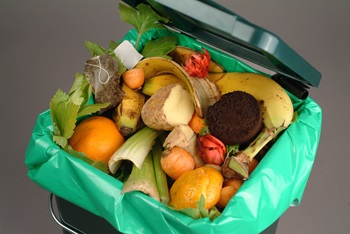
Across the food industry, there is a lot happening to keep good food from going to waste. Retailers, wholesalers and suppliers are sharpening forecasts, improving inventory practices and finding new uses for surplus products, while food banks and community organizations are helping move nutritious food to people who need it. Food Waste Prevention Week gives us a chance to recognize that work—and this year’s “Food Heroes in Your Neighborhood” theme celebrates the many partners turning everyday action into meaningful progress.
Food waste reduction is not a side project. It supports affordability, strengthens communities, improves operational efficiency and reduces environmental impacts across the supply chain. FMI’s The Food Retailing Industry Speaks 2026 report shows that 75% of food retailers and 74% of food product suppliers have quantified food waste reduction goals and implementation time frames in place. That level of commitment demonstrates how deeply waste prevention is being built into business strategies and day-to-day operations.
Those efforts take many forms: improving forecasting and inventory management; preventing shrink and product expiration; finding secondary markets for surplus products; donating safe, nutritious food; engaging employees; and expanding composting and other diversion pathways when food cannot be used to feed people. Through the U.S. Food Waste Pact, FMI helps bring companies together in a noncompetitive setting to measure waste, share insights and test solutions.
In fact, FMI puts that commitment into practice following our own conferences and events. Working with host venues and local food recovery organizations, we donate unused food and products whenever possible. Most recently, more than 500 pounds of products from the FMI Annual Business Conference were donated through the Hyatt Regency and FoodReceovery.org—one practical example of how collaboration can keep usable products out of the waste stream and direct them where they can make a difference.
Our industry’s focus also aligns with what shoppers value. FMI’s U.S. Grocery Shopper Trends 2026 finds that 85% of shoppers rank good value as a high or top priority, and households report spending an average of $169 per week on groceries. Preventing food from going unused helps families protect that investment. The research also captures a familiar calculation: shoppers may buy less fresh food or choose longer-lasting frozen options when they worry an item will spoil before it is eaten. That makes waste prevention both a sustainability priority and an affordability strategy.
Food retailers are uniquely positioned to help. Clear storage guidance, meal-planning ideas, appropriately sized packages, frozen and shelf-stable choices, markdown programs and consistent date-label education can give shoppers more confidence to buy what they need and use what they buy. At the same time, stronger donation partnerships can move wholesome surplus food quickly to neighbors facing food insecurity.
Food Waste Prevention Week is a reminder that progress depends on thousands of decisions made throughout the food system and in every home. Companies can set measurable goals, share lessons and design prevention and mitigation efforts into operations. Shoppers can plan meals, store food properly, understand date labels, use leftovers creatively and freeze food for later. Together, those actions add up—saving money, nourishing communities and using our resources efficiently that bring food from farm to table.