




















.jpg?sfvrsn=a19ee2ab_1 "james-murphy (002)")




















.png?sfvrsn=89a4d009_1 "Bold Group (7)")
.png?sfvrsn=f10a00c_1 "Bold Group (5)")

.png?sfvrsn=beea939b_1 "Bold Group (4)")








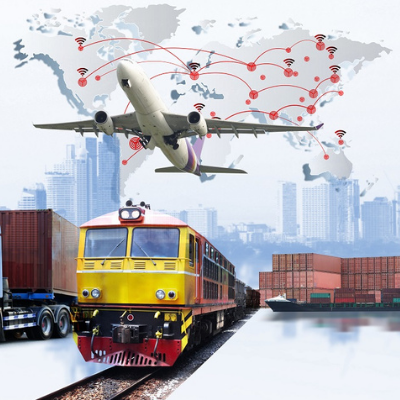
Perfect shipments powered by accurate data, compliant packaging and strong partner collaboration are critical to improving automation, efficiency and supply chain performance in grocery distribution.
By: Doug Baker, Vice President, Industry Relations, FMI
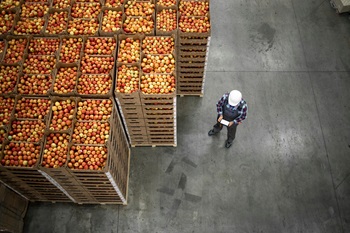 In grocery supply chain operations, “close enough” is becoming increasingly expensive.
As retailers and wholesalers invest in warehouse automation, advanced receiving systems and more connected distribution networks, the quality of inbound shipments matters more now than ever. A shipment that requires extra labor on the dock may now slow receiving, require manual intervention, disrupt automation and create downstream inventory issues.
The race toward perfect shipments are about ensuring that products arrive consistently, compliant and ready to move through today’s increasingly automated supply chain.
A perfect shipment begins with the right product, in the right quantity, arriving on time, with accurate and complete data in proper documentation. But in a modern grocery distribution environment, it also includes structurally sound cases and pallets, readable labels, accurate advance shipment notices (ASN), traceability information, proper temperature controls and packaging that can withstand automated handling.
When these elements are missing, dock teams must spend time correcting labels, restacking pallets, reconciling mismatched data, managing damaged cases or creating workarounds for shipments that cannot move efficiently through the system. These manual touches add cost, create congestion and reduce efficiency in the system.
Automation only magnifies the issue. Human teams often adapt to imperfect conditions. Automated systems are less forgiving. A poorly built pallet, inaccurate case dimensions, unreadable barcode or mismatched shipment record creates a ripple effect across receiving.
That is why perfect shipments must be viewed as a shared priority with trading partners. This is not simply a retailer's challenge or a supplier's obligation. It requires alignment among retailers, wholesalers, brands, brokers, carriers, packaging teams, technology providers and logistics partners.
Consider the following as a possible framework for perfect shipments, which includes five areas of readiness.
Physical readiness: cases, pallets and packaging must be durable, stable and compatible with modern distribution systems.
Data readiness: the digital shipment must match the physical shipment, including item information, quantities, dimensions, weights, lot codes and traceability data.
Process readiness: trading partners need clear expectations around appointments, load sequencing, dock procedures, carrier communication and exception handling.
Technology readiness: barcodes, labels, supplier portals, warehouse systems and transportation platforms must be able to read, share and act on shipment information.
Partnership readiness: companies need scorecards, feedback loops, training and root-cause conversations that help trading partners improve together.
The payoff is significant. Better shipments can improve receiving speed, labor productivity, inventory accuracy, food safety, traceability, on-shelf availability and automation ROI. They can also reduce unnecessary costs.
The future of supply chain performance will not be defined only by the sophistication of the technology inside the distribution center. It will be defined by the quality and accuracy of what flows into it.
That is why this conversation belongs at the FMI Supply Chain Forum. No single company can solve these challenges alone. The industry needs common language, clear expectations and stronger collaboration across the value chain.
The pursuit of perfect shipments is already underway. The winners will be those who align with their people, partners, data and processes before the product reaches the dock.